Kyoto: Temples, Geishas and Zen Gardens in Japan's Eternal Capital in 6 Days
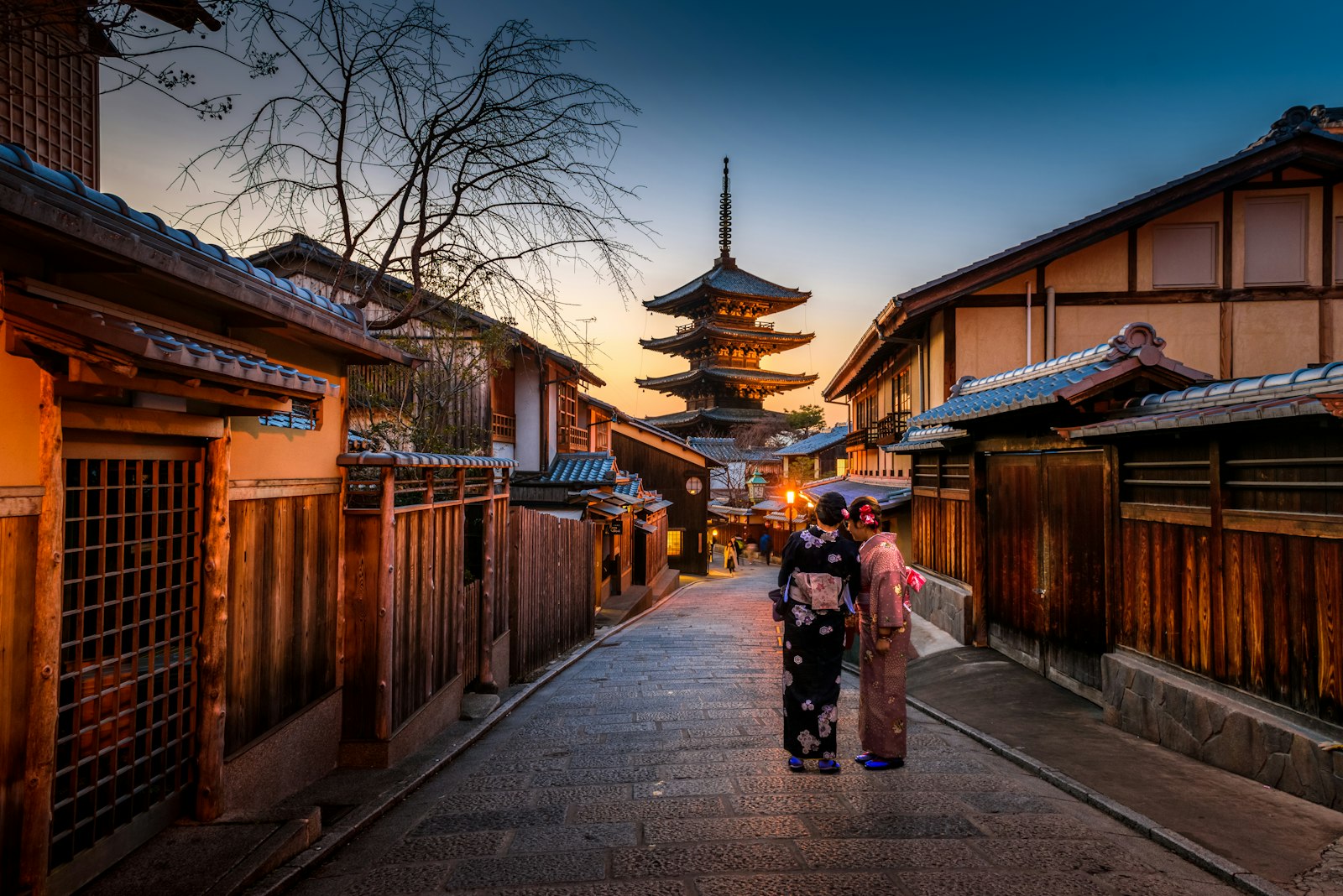
Kyoto was Japan's capital for over a thousand years and remains the country's spiritual heart. With 2,000 temples, 17 UNESCO World Heritage Sites, the geisha district of Gion, zen gardens that invite meditation and kaiseki cuisine that elevates food to art, Kyoto is the concentrated essence of Japanese culture. 🏯 Here's how we lived 6 days of total immersion.
Fushimi Inari and must-see temples
Fushimi Inari Taisha is Japan's most visited shrine: 10,000 orange torii (gates) form a tunnel ascending Mount Inari. Most tourists only walk the first 20 minutes, but the magic is in continuing to the summit (2 hours round trip): the silence, hidden mini-shrines and views of Kyoto from above. Go at sunrise (5:30 AM in summer) to have the path nearly empty. Free entry, open 24 hours.
Kinkaku-ji (Golden Pavilion, ¥500) is hypnotic: three stories covered in gold leaf reflected in a perfect pond. Its counterpart, Ginkaku-ji (Silver Pavilion, ¥500), is more understated but equally beautiful, with a raked sand garden representing the sea.
Kiyomizu-dera (¥400) is an 8th-century temple built on a hillside without a single nail. The wooden terrace 13 meters above the ground offers panoramic city views. The streets Ninenzaka and Sannenzaka leading up to the temple are flanked by traditional tea houses, pottery shops and sweet shops.
Ryoan-ji has the world's most famous zen garden: 15 rocks on raked white gravel. The paradox is that from any point you can only see 14 rocks simultaneously. Contemplation is the activity.
Gion, geishas and Kyoto at night
Gion is Japan's most authentic geisha (geiko in Kyoto dialect) district. The cobblestone streets of Hanami-koji are flanked by wooden ochayas (tea houses) where geiko and maiko (apprentices) entertain exclusive clients. At dusk (5:00-6:00 PM) you can spot them walking to their engagements: exquisite kimonos, white makeup, tiny steps on wooden clogs.
Important: geishas are not a tourist attraction. Don't block their path, don't touch them, don't chase them for photos. For a respectful experience, book an evening at an ochaya with a maiko (from ¥25,000 per person, includes dinner, dance and conversation).
Pontocho is an alley parallel to the Kamogawa River with restaurants offering kawadoko (terraces on elevated platforms over the river, May-September only). Dining over the river with Gion's lights reflecting on the water is magical.
The Higashiyama District at night, especially during seasonal illuminations (hanatoro in March and December), transforms temples and streets into a Japanese fairytale setting.
Zen gardens, Arashiyama bamboo and tea culture
The Arashiyama Bamboo Grove is one of Japan's most photographed landscapes: thousands of 20-meter bamboo stalks filtering light to create an almost surreal atmosphere. Go before 8 AM to avoid crowds. Combine with Tenryu-ji Temple (¥500, 14th-century garden) and Togetsukyo Bridge.
Iwatayama Monkey Park (¥550) in Arashiyama has 120 Japanese macaques roaming free. The 20-minute climb offers spectacular Kyoto views. Monkeys are photogenic but don't feed them by hand.
The tea ceremony (chado) is the quintessence of Japanese aesthetics: every movement, every utensil, every silence has meaning. Experiences at Camellia Garden (¥2,500, 45 min) or at Kodai-ji Temple (more exclusive). Kyoto matcha is considered Japan's best: Ippodo Tea has been the reference shop since 1717.
Saiho-ji's moss garden (Kokedera, ¥3,000, mandatory reservation by postcard weeks in advance) has 120 moss varieties and is one of the most serene places on earth. The visit includes copying Buddhist sutras before accessing the garden.
Kaiseki cuisine and markets
Kaiseki is Japanese haute cuisine: a sequence of 8-12 small courses reflecting the season, flavor balance (umami, sweet, bitter, sour, salty) and presentation that is visual art. Kyoto is the kaiseki capital. Accessible restaurants: Giro Giro Hitoshina (from ¥4,500, modern kaiseki), Hyotei (400 years of history, from ¥20,000) and kaiseki bento boxes at Nishiki Market.
Nishiki Market (5 covered streets, free entry) is "Kyoto's kitchen": 130 stalls with local specialties. Must-try: tsukemono (Kyoto pickles), yuba (tofu skin, local specialty), dango (mochi skewers) and tamagoyaki (rolled Japanese omelette). Try sake at Nishiki Tenmangu Shrine (3 cups for ¥500).
Kyoto tofu is legendary: Junsei and Okutan (founded 1635) serve complete tofu menus in temple gardens. Yudofu (tofu simmered in kombu dashi) is comforting in autumn and winter.
Kyoto's wagashi sweets are edible works of art representing the season: cherry petals in spring, maple leaves in autumn. Kagizen Yoshifusa (since 1865) and Toraya are the reference confectioners.
Practical tips and budget
Getting around Kyoto: buses cover the entire city (¥230/trip, day pass ¥700). The metro has two useful but limited lines. Bicycles are the best transport: Kyoto is flat with bike lanes (rental ¥1,000/day). For Arashiyama, take the JR train or the scenic Sagano train.
Accommodation: a ryokan (traditional inn with tatami, futon, onsen and kaiseki dinner) is the definitive Kyoto experience (¥15,000-50,000/night). Alternatives: renovated machiya (traditional wooden houses, from ¥8,000 on Airbnb) or modern hotels near the station (from ¥6,000).
Budget for 6 days (per person): Flight: €500-900 (from Europe). Accommodation: ¥40,000-120,000 (ryokan + hotel mix). Local transport: ¥5,000-8,000 (bus + bike + trains). Food: ¥15,000-35,000 (markets + restaurants + kaiseki). Temples and entries: ¥3,000-6,000. Total: ¥63,000-169,000 (~€400-1,060, excluding flight).
Best time: March-April (sakura/cherry blossoms), October-November (koyo/red leaves). Both seasons are magical but very crowded. June (rainy season) has a special charm: moss gardens glow, temples are empty and rain on wooden rooftops is meditative.
Plan this trip
Itineraries, budgets and real traveler routes for this destination.
More stories from Japan
Ready to live your own adventure? Create your free Odysseus account and plan your next trip.
Create a free account on the web