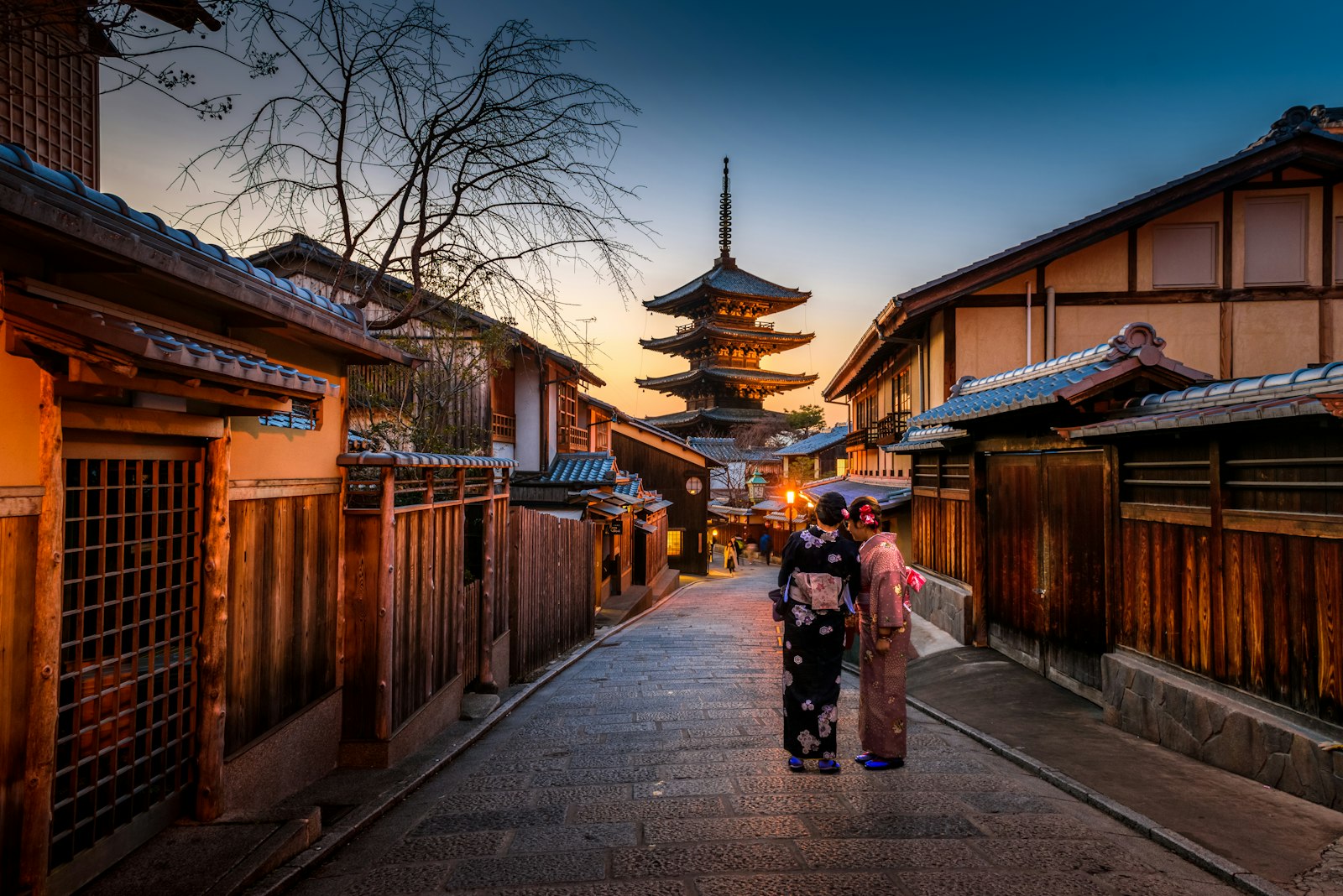
Japan in Spring: Complete Hanami Guide
Hanami, the Japanese tradition of viewing cherry blossoms, is much more than seeing pretty trees. It's a philosophy of life, a celebration of the ephemeral, a reminder that the most intense beauty is also the most fleeting. After three springs in Japan, I'll tell you everything you need to know to live this magical experience.
What is Hanami really?
Hanami (花見) literally means 'viewing flowers', although the tradition goes far beyond passive observation. It's a social ritual where families, friends, and coworkers gather under cherry blossoms to eat, drink, and celebrate the arrival of spring.
The custom has more than a thousand years of history. Originally, Japanese aristocracy contemplated plum trees (ume), but during the Heian period the focus shifted to cherry trees (sakura). Today, Hanami is a fundamental part of Japanese culture, with specific weather forecasts about blooming that dominate the news for weeks.
What makes Hanami special is its underlying philosophy: mono no aware, sensitivity to the ephemeral. Cherry trees bloom for just a few days, reminding us that beauty and life are fleeting. This sweet melancholy is deeply rooted in the Japanese psyche.
When do cherry blossoms bloom? Predicting the unpredictable
Sakura blooming depends on climate and varies each year. It generally begins in Okinawa in late January and moves north, reaching Hokkaido in early May. In the most popular areas (Tokyo, Kyoto, Osaka), the typical season is late March to early April.
The Japan Meteorological Agency publishes updated predictions weeks ahead. There are two key dates: kaika (開花), when the first flowers open, and mankai (満開), full bloom. Mankai lasts only 5-7 days before petals begin to fall, creating the magical 'petal storm' (sakura fubuki).
My advice: plan to arrive a few days after the predicted kaika for your area. This way you'll have better chances of coinciding with mankai. And always have a Plan B in another city, in case blooming comes early or late.
Tokyo: Urban Hanami
Tokyo offers the perfect combination of tradition and modernity during Hanami. My favorite places:
Ueno Park: With over 1,000 cherry trees, it's the epicenter of Tokyo Hanami. Arrive early to get a good spot under the trees (Japanese send 'representatives' who reserve spaces from 6 AM with their blue tarps). At night, the illuminated trees create a magical atmosphere.
Meguro River: A canal flanked by 800 cherry trees that create a dreamy pink tunnel. Rent a rowboat for the ultimate experience. Street food stalls along the river offer yakitori, takoyaki, and beer.
Shinjuku Gyoen: Quieter and more elegant, this imperial garden charges admission (500 yen), which filters crowds. It has cherry varieties that bloom at different times, extending the season.
Yanaka Cemetery: Few tourists know this place. The ancient graves under cherry trees create a contemplative atmosphere perfect for reflecting on mono no aware.
Kyoto: Hanami among millennial temples
If Tokyo is urban Hanami, Kyoto is spiritual Hanami. The ancient capital offers settings where cherry trees dialogue with thousand-year-old temples.
Philosopher's Path (Tetsugaku no michi): A 2 km walk along a cherry-lined canal. Walk early (7 AM) to avoid crowds and end with breakfast at one of the local cafes.
Daigoji Temple: Perhaps the most spectacular place, where Toyotomi Hideyoshi celebrated a legendary Hanami in 1598 with 1,300 guests. The terraced gardens offer unique views.
Maruyama Park: Kyoto's most popular spot, famous for its giant weeping cherry illuminated at night (yozakura). Food stalls and picnicking groups create a festive atmosphere.
Arashiyama: Combine cherry blossoms with the famous bamboo forest. Take the Sagano scenic train for memorable views of the Hozu River lined with sakura.
Beyond main cities: Hidden gems
Lesser-known places offer more authentic and intimate experiences:
Yoshinoyama (Nara): Japan's most famous mountain for Hanami, with 30,000 cherry trees planted on hillsides. The view from the Hanayagura viewpoint, with thousands of pink trees descending toward the valley, is overwhelming.
Hirosaki Castle (Aomori): 2,600 cherry trees, including 300-year-old trees. Blooming here is later (late April), perfect if you missed the season in the south.
Takato (Nagano): Famous for its Takato Kohigan cherry trees with intense pink petals, different from typical Somei Yoshino. The night festival is magical.
Kawazu (Shizuoka): Blooms very early (February), when the rest of Japan is still in winter. The intense pink cherry trees along the river create a spectacular contrast with the snowy mountains.
The art of picnicking under cherry trees
An authentic Hanami requires preparation. Here's what you need:
The blanket: Traditionally blue, although any waterproof tarp works. Arrive early to secure your space; once the blanket is placed, the spot is yours.
The food: Convenience stores (konbini) like 7-Eleven or Lawson offer obento (lunch boxes) perfect for Hanami. But if you want to impress, order a special Hanami bento with sashimi, tempura, and onigiri decorated with sakura petals.
Drinks: Sake, beer, and chuhai (shochu cocktail) are traditional. Many Japanese bring portable coolers. Warm sake (atsukan) is perfect if the night gets chilly.
Seasonal sweets: Look for wagashi shaped like cherry blossoms, sakura mochi (rice cake with cherry leaf), and hanami dango (rice balls in three colors).
Etiquette: Pick up all your trash (Japanese do this impeccably). Don't touch branches or climb trees. Respect other groups' space.
Photographing sakura: Practical tips
Capturing Hanami magic requires planning:
Light: Best hours are sunrise (no people, golden light) and nighttime yozakura. At noon, harsh light flattens the pink tones.
Composition: Look for elements that give context: a temple, a pagoda, a torii, Mount Fuji in the background. Avoid typical 'branch against sky' photos.
People: Include Japanese in kimono or children playing under petals. They give scale and life to images.
Details: Don't just photograph entire trees. Get close to flowers, petals in water, the shadows they cast.
The perfect moment: The petal storm (sakura fubuki) during a gentle breeze is photographic gold. Petals on the ground or floating in ponds also create unique images.
Equipment: A telephoto (70-200mm) compresses perspectives and isolates flowers. A wide angle captures broad scenes with context.
Practical tips for your Hanami
- 1Book accommodation 3-4 months in advance: it's the most in-demand season of the year.
- 2The JR Pass is essential if you plan to move between cities chasing the blooming.
- 3Bring layers of clothing: mornings and nights can be cold, even if the sun warms at midday.
- 4Parks are crowded on weekends. If possible, do Hanami on weekdays.
- 5Download the 'Sakura Navi' app for updated predictions and cherry tree locations.
Approximate budget (per person, 10 days)
Plan this trip
Itineraries, budgets and real traveler routes for this destination.
More stories from Japan
Ready to experience your own Hanami? Download Odysseus and plan your spring trip to Japan.
Create a free account on the web