Authentic Morocco: From Marrakech to the Desert
Morocco is a country that captivates you from the first moment. The ordered chaos of its medinas, the silence of the desert, the hospitality of its people, and the flavors that burst in every tagine. For a week, we crossed the country from Marrakech to the Sahara dunes, sleeping in centuries-old riads and waking up under a million stars.
Days 1-2: Marrakech, the beating heart
Marrakech is an assault on the senses. From the moment you leave the airport, the chaotic traffic, zigzagging motorcycles, and vendors' shouts immerse you in another dimension.
We stayed in a traditional riad in the medina. These centuries-old houses with interior patios are oases of peace behind wooden doors opening onto labyrinthine alleys. Our riad had colorful zellige tiles, a fountain in the center, and a terrace overlooking the minarets. At €60 per night, it was a palace.
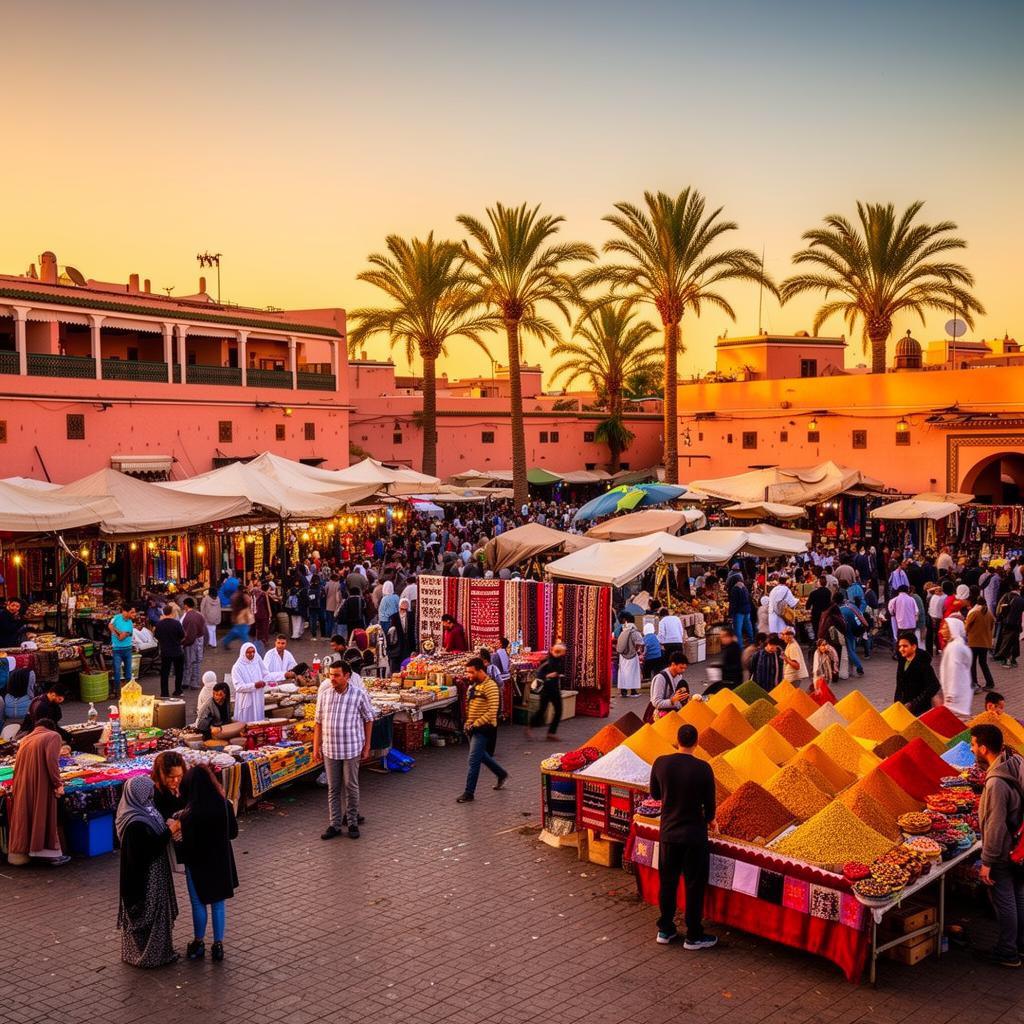
Jemaa el-Fna square is the epicenter. In the morning, orange juice stalls (5 dirhams, 50 cents) and snake charmers. At sunset, the square transforms: storytellers, gnawa musicians, street dentists displaying pulled teeth, and dozens of food stalls where we tried steamed snails and lamb's head.
The second day we got lost (literally) in the souks. The labyrinth of covered alleys is organized by guilds: one alley for babouches, another for spices, another for lamps... We bought argan oil (€50 per liter, half the price in Spain), real saffron, and a brass lamp the craftsman made before our eyes.
Day 3: The High Atlas and the Dadès Gorges
At 7 AM we set off toward the desert. The first obstacle: Tizi n'Tichka pass, at 2,260 meters altitude, crossing the High Atlas.
The road winds between ochre and reddish mountains, passing through Berber villages where children sell fossils by the roadside (Morocco was an ocean millions of years ago, and the fossils are authentic).
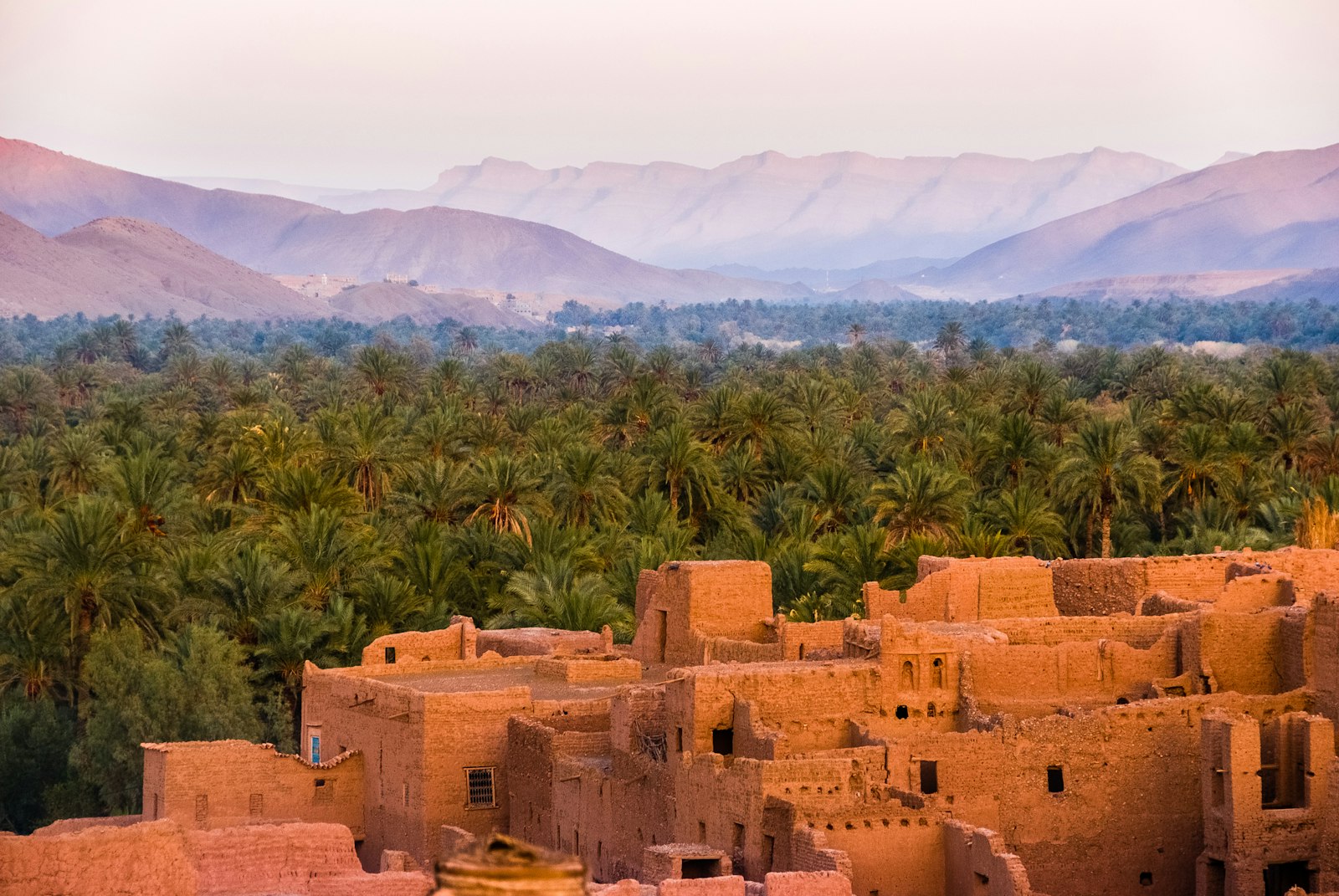
We stopped at Aït Ben Haddou, Morocco's most famous ksar (fortified village) and filming location for movies like Gladiator and Game of Thrones. We crossed the river on foot (there's a bridge, but wading is better) and climbed to the top of the ksar. The views of the valley at sunset, with the adobe walls glowing golden, are unforgettable.
We slept in the Dadès Gorges, a canyon with vertical walls carved by the river over millions of years. From our hotel perched on the cliff, the silence was absolute, broken only by the echo of water.
Day 4: Todra Gorges and road to Merzouga
The Todra Gorges are even more dramatic: 300-meter-high walls separated by just 10 meters at some points. We walked along the canyon floor while climbers attempted to ascend the vertical walls.
Then, kilometers of hammada (stony desert) led us toward Merzouga and the Erg Chebbi dunes. The landscape changes gradually: from mountains to arid plateaus, then date palms announcing the oases, and finally, on the horizon, the first orange dunes.
We arrived at base camp at sunset. Dromedaries were waiting to take us to the desert camp. Riding a dromedary is uncomfortable (they sway a lot), but the caravan crossing the dunes with the setting sun behind us is an image I'll never forget.
After an hour's journey, we reached the Berber camp: traditional tents with carpets, dinner around the fire, and gnawa music under the stars. I slept on the dune, outside the tent, watching the Milky Way until sleep overcame me.
Day 5: Sunrise in the Sahara
They woke us at 5 AM to watch the sunrise. I climbed the highest dune near the camp (about 150 meters, exhausting in loose sand) and waited.
The desert at sunrise is magical. The silence is so absolute you hear your own heart. The dunes go from black to purple, then orange, and finally golden when the sun appears. The shadows mark every curve of the sand sea, creating a landscape that seems from another planet.
After breakfast (Berber bread, honey, and mint tea), some went sandboarding down the dunes. I preferred to walk alone, going until I lost sight of the camp. The feeling of being completely alone in the desert, surrounded by infinite dunes, is hard to describe. There's something primal about it.
We returned by 4x4 (faster than by dromedary) crossing the desert at full speed, a rally experience in itself.
Days 6-7: Fez, the intact medina
The journey from Merzouga to Fez was long (8 hours) but we crossed diverse landscapes: the Erfoud oasis, the Middle Atlas mountains with their cedar forests where Barbary macaques live, and finally the fertile Sais plain.
Fez is the antithesis of Marrakech. If Marrakech is touristy and bustling, Fez is authentic and complex. Its medina, the largest in the world, hasn't changed since the 9th century. No cars, no motorcycles (well, maybe some): just donkeys, carts, and thousands of alleys where it's impossible not to get lost.
We hired a local guide (essential, it's easy to walk in circles for hours) who took us to the Chouara tanneries. From the terraces of the leather shops, we saw the circular vats filled with natural dyes where tanners work the leather as they have for centuries. The smell is intense (they gave us mint sprigs for our noses).
We visited the Bou Inania madrasa, a masterpiece of Andalusian-Moroccan art. The plaster carvings, zellige mosaics, and cedar wood ceiling are hypnotic in their complexity.
The last night we dined in a palace converted into a restaurant. Lamb mechoui, pigeon pastela, and sweets with honey and almonds, while an Andalusian music group played in the courtyard. The perfect ending to an unforgettable week.
Practical tips for Morocco
- 1Learn to haggle: the first price is always 3-5 times higher. Start offering a third and negotiate to half.
- 2Bring cash (dirhams). Cards only work in large hotels and tourist shops.
- 3Tap water is not drinkable. Always drink bottled water and avoid ice in drinks.
- 4Dress modestly, especially women. Covered shoulders and knees avoid unwanted attention.
- 5Beware of spontaneous 'guides' who want to show you the medina. If you need a guide, hire an official one.
Approximate budget (per person, 7 days)
Plan this trip
Itineraries, budgets and real traveler routes for this destination.
More stories from Morocco
Ready to get lost in Morocco? Download Odysseus and plan your adventure.
Create a free account on the web