Florence: Renaissance, Tuscany and Slow Food in 7 Days
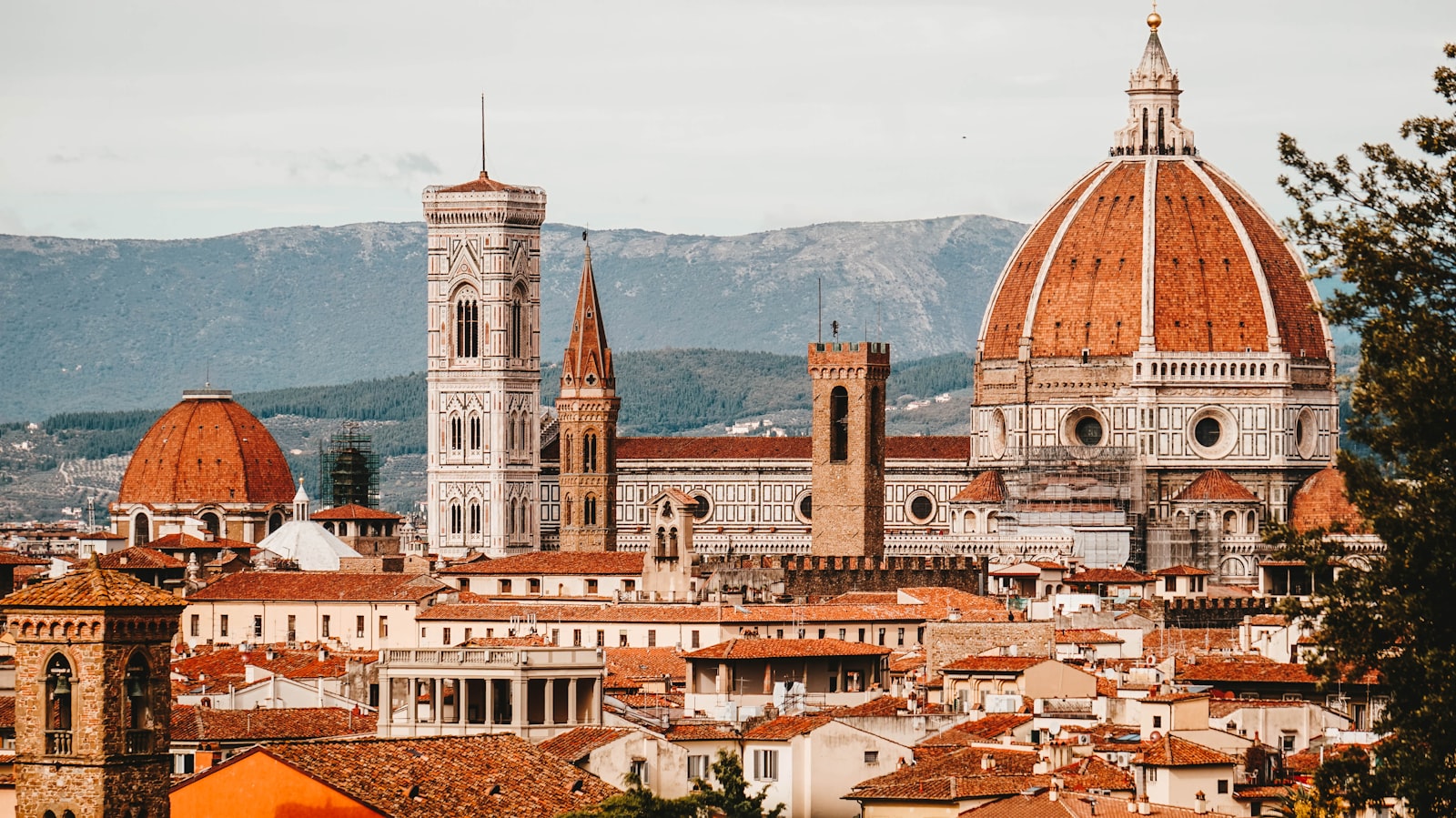
Florence is the cradle of the Renaissance, a city where every street is a museum, every trattoria an experience and the surrounding Tuscany looks like a Renaissance painting. Slow travel at its finest: art, wine, fresh pasta and sunsets Botticelli painted. 🍷 7 days to fall in love with beautiful Firenze.
Renaissance Florence: Art that changed the world
The Uffizi is one of the world's most important museums: the most complete Renaissance art collection on Earth. Botticelli's Birth of Venus, Leonardo da Vinci's Annunciation and Titian's Venus of Urbino are here, among hundreds of masterpieces.
Book timed-entry tickets online: queues can exceed 3 hours. The Vasari Corridor, connecting the Uffizi to Palazzo Pitti across the Ponte Vecchio, recently reopened after a long restoration.
The Galleria dell'Accademia houses Michelangelo's David. The anatomical perfection of the 5.17-meter Carrara marble is hypnotic. The unfinished "Prisoners," figures seemingly emerging from stone, reveal Michelangelo's creative process.
Florence's Duomo is the crown jewel: Brunelleschi's dome, built without scaffolding or centering, was an engineering feat that still amazes. Climbing the 463 steps is worth it for the views and seeing Vasari's frescoes up close.
Oltrarno: Authentic Florence
Crossing the Arno via the Ponte Vecchio (with its centuries-old jewelers) leads to the Oltrarno, Florence's most authentic neighborhood. Real Florentines live here, among artisan workshops, family trattorias and secret gardens.
Palazzo Pitti and the Boboli Gardens are essential: 45,000 m² of Renaissance gardens with fountains, grottoes, sculptures and city views. The perfect spot for a picnic with finocchiona (fennel salami) and pecorino.
San Frediano is the most alternative quarter: natural wine bars, independent galleries and artisans working leather, marbled paper and silver as they have for centuries. Piazza Santo Spirito, with its Brunelleschi-designed church, is the Florentines' living room: sunset aperitivos against the austere façade.
Piazzale Michelangelo at sunset is mandatory: Florence's postcard view with the Duomo, Ponte Vecchio and Tuscan hills bathed in golden light. Arrive an hour early for a good spot.
Tuscan gastronomy: Slow food at its source
Tuscan cuisine is the slow food paradigm: seasonal ingredients, centuries-old recipes and a less-is-more philosophy. The bistecca alla fiorentina is the signature dish: a Chianina-breed T-bone of at least 1 kg, grilled rare and seasoned only with salt, pepper and olive oil.
Ribollita (bread and vegetable soup) and pappa al pomodoro (cold tomato and bread soup) are "poor" dishes turned haute cuisine. Crostini di fegatini (liver pâté toasts) are the quintessential Florentine aperitivo.
The Mercato Centrale in San Lorenzo is a treasure trove: the ground floor has traditional butcher, greengrocer and cheese stalls; the upper floor is a gourmet food court with fresh pasta, artisan pizza, gourmet gelato and lampredotto (tripe, Florence's street food).
For gelato, skip tourist chains: Vivoli (the oldest), La Sorbettiera and Gelateria dei Neri serve real artisan gelato with natural colors and intense flavors. A Bronte pistachio or stracciatella will change your concept of ice cream forever.
Tuscany: Vineyards, villages and cypress-lined roads
Florence is the gateway to iconic Tuscany. Chianti Classico, between Florence and Siena, is the quintessence of Italian landscape: rolling hills covered in vineyards and olive groves, golden-stone villages and cypress-lined roads.
Greve in Chianti is the wine capital: tastings at centuries-old wineries where Sangiovese becomes Chianti Classico Riserva. Le Cantine di Greve offers 140 wines on tap with a prepaid card.
San Gimignano, the "medieval Manhattan," preserves 14 of its original 72 towers. Gelateria Dondoli won the world gelato championship: their crema di Santa Fina is legendary.
Siena deserves a full day: the Piazza del Campo (perhaps Italy's most beautiful square), the Duomo with its mosaic floor and the Palazzo Pubblico with Lorenzetti's frescoes on Good and Bad Government, medieval art masterpieces.
Practical tips and budget
The Firenze Card (€85, 72 hours) grants access to over 70 museums and unlimited public transport. It pays for itself with just 3-4 museums. Includes priority skip-the-line access.
Florence is compact: everything is walkable. The historic center is a Limited Traffic Zone (ZTL), so don't rent a car for the city. For Tuscany, however, renting is worthwhile: secondary roads are a pleasure.
Budget for 7 days (2 people): Accommodation (boutique hotel Oltrarno): €600-900. Museums and entries: €120-170 (with Firenze Card). Food (trattorias and markets): €300-450. Chianti excursion with tasting: €100-150. Train to Siena: €20. Total: €1,140-1,690 for two people.
Best time: April-June and September-October. July-August is unbearably hot and crowded. In November, new olive oil (olio nuovo) transforms Tuscan cuisine.
Plan this trip
Itineraries, budgets and real traveler routes for this destination.
More stories from Italy
Ready to live your own adventure? Create your free Odysseus account and plan your next trip.
Create a free account on the web