Europe
Croatia: Dubrovnik, Split and the Islands in 9 Days
Odysseus TeamCroatiaFebruary 1, 202511 min read
Croatia is the Adriatic jewel that Europe had hidden. Medieval walls, crystal waters, islands with white stone villages and Mediterranean cuisine that rivals Italy's. 🇭🇷 Here's how we organized 9 perfect days along the Dalmatian coast.
Dubrovnik: The Pearl of the Adriatic
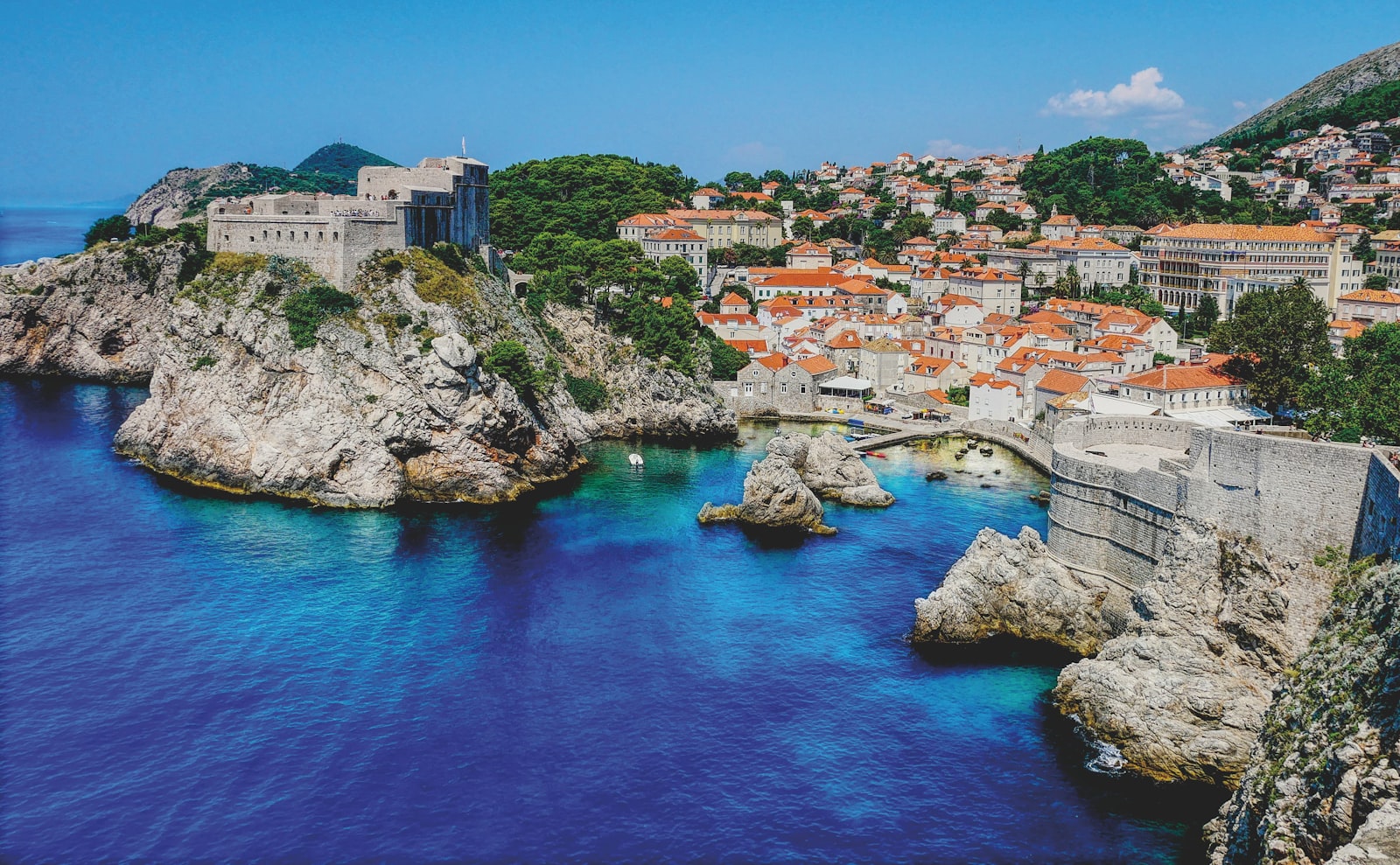
Dubrovnik welcomed us with that golden Mediterranean light that bathes everything. The old town, surrounded by 13th-century walls rising above the sea, looks like something from a fairy tale (or Game of Thrones, where it served as King's Landing).
Walking the complete walls takes about 2 hours and offers the best views of the city: terracotta rooftops, towers, the old port and the infinite blue of the Adriatic. We recommend going first thing in the morning to avoid crowds.
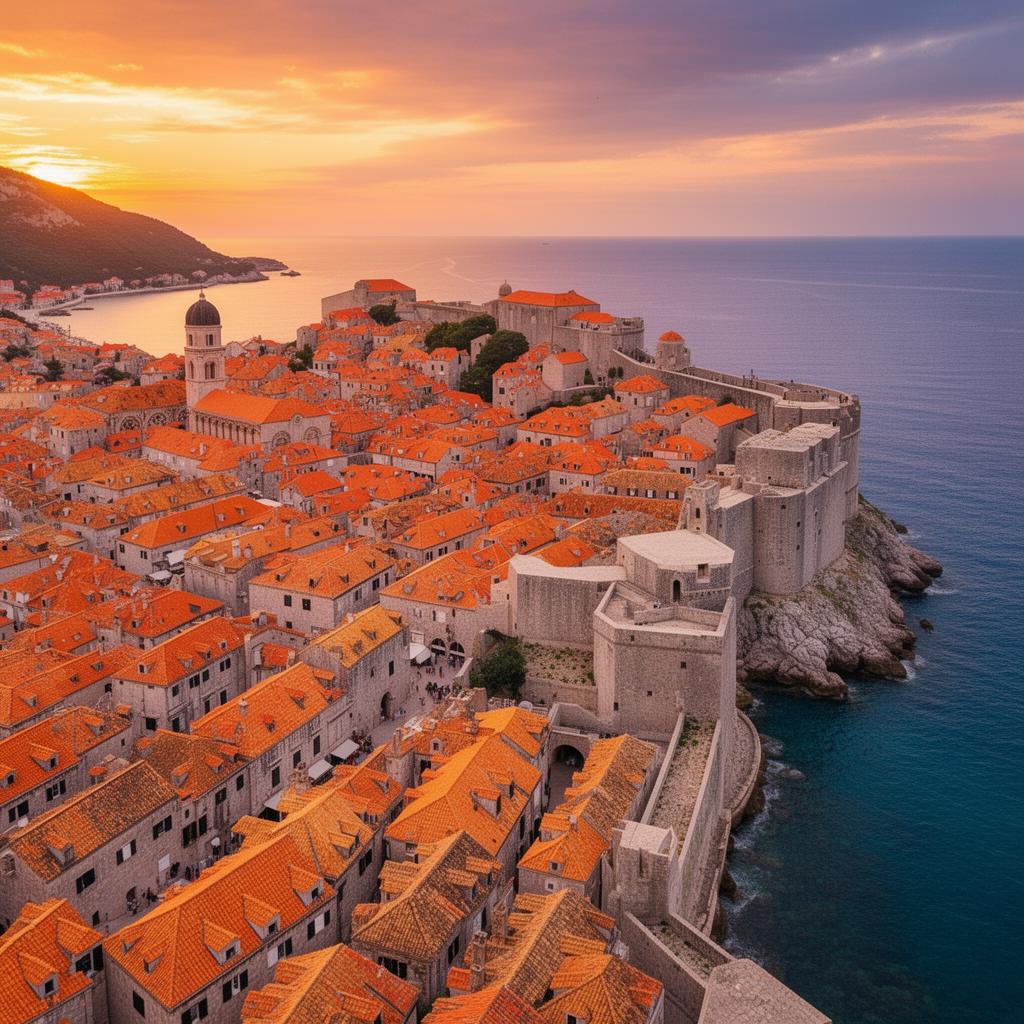
The Stradun, the old town's main street, is Dubrovnik's heart. At sunset it comes alive: musicians, terrace restaurants and golden light bouncing off limestone.
We took the cable car to the top of Mount Srđ. The panoramic views from above are among the most spectacular we've seen in Europe: the old city below, the Elafiti islands on the horizon and the coast stretching north.
For swimming, Banje beach is just outside the walls. The contrast of swimming in crystal-clear water with medieval walls in the background is surreal.
The Islands: Hvar and Korčula
From Dubrovnik we took a fast ferry to Korčula island, known as the birthplace of Marco Polo. Its old town is a miniature version of Dubrovnik, but without the crowds.
The streets are designed in a herringbone pattern to protect from wind and channel sea breezes. We dined at a konoba (local tavern) with grilled octopus, tomato salad with local olive oil and white pošip wine. One of the best culinary moments of the trip.
From Korčula we sailed to Hvar, Croatia's most glamorous island. Hvar town combines a 16th-century Spanish fortress with modern yachts in the harbor.
We rented a small boat (no license needed for motors up to 5HP) and explored the Pakleni islands: hidden coves with turquoise water where we were alone for hours.
Lavender is Hvar's symbol. In June, the interior fields turn purple and the aroma is intoxicating.
Split: Living History in Diocletian's Palace
Split is unlike any city we've visited. Diocletian's Palace, built in the 4th century, isn't a museum: it's the living center of the city. People live, shop and dine literally inside a Roman palace.
The Peristyle, the palace's central courtyard, is where locals have morning coffee and where classical music concerts are held under the stars at night. The acoustics are perfect.
Split's fruit and vegetable market (Pazar) is an explosion of colors and flavors. The fresh figs, cherries and peaches in summer are incredible.
We climbed the bell tower of St. Domnius Cathedral for 360° views over the city and harbor. The climb is steep but worth it.
The Riva promenade, with its palm trees and terraces, is the perfect spot for the Croatian ritual of 11:00 AM coffee.
Plitvice Lakes National Park
We took a day trip from Split to Plitvice Lakes, a UNESCO World Heritage Site. It's one of the most beautiful natural parks in Europe.
16 lakes connected by waterfalls and wooden walkways that wind over water in shades between turquoise and emerald. The travertine system creates natural pools of surreal beauty.
We recommend arriving at 7:00 AM (when gates open) to enjoy it with fewer people. The long route (H) takes about 6 hours and covers all lakes, including the 78-meter Great Waterfall.
In high season (July-August) tickets sell out online. Book at least one week in advance.
Practical Tips for Your Croatia Trip
**Best time**: June and September are ideal (good weather, fewer tourists than July-August). May and October are also good but the water is cooler.
**Visa**: Spanish citizens don't need a visa (Croatia is part of the EU and Schengen area since 2023).
**Currency**: The euro (€) since January 2023.
**Transport**: Jadrolinija ferries connect the main islands. Book in advance during summer. Fast catamarans by Krilo and TP Line are the best option.
**Food**: A meal at a konoba costs €15-25. Fresh seafood is excellent and cheaper than in Spain. Don't miss pašticada (meat stew) and prawn buzara.
**Driving**: Roads are good. The A1 Zagreb-Split highway has tolls. Parking in Dubrovnik and Split is expensive and scarce.
**Tips**: 10% is standard in restaurants.
What We Learned
- ✓Dubrovnik is much more pleasant outside peak season (June or September)
- ✓Renting a small boat in Hvar is the best way to discover hidden coves
- ✓Island ferries sell out in summer: book in advance
- ✓Passport/ID is sufficient to enter Croatia (EU + Schengen)
- ✓Plitvice Lakes are worth arriving at opening time
Approximate Budget (per person, 9 days)
International flights (round trip)€120
Island ferries€80
Accommodation (apartments/hotels)€400
Food and drinks€250
Activities and entrance fees€80
Local transport€70
Approximate total€1,000
Want us to organize your trip to Croatia? Download Odysseus and start planning your Adriatic route.
Download OdysseusPlan this trip
Itineraries, budgets and real traveler routes for this destination.
More stories from Croatia
Want us to organize your trip to Croatia? Download Odysseus and start planning your Adriatic route.
Create a free account on the webor get the app