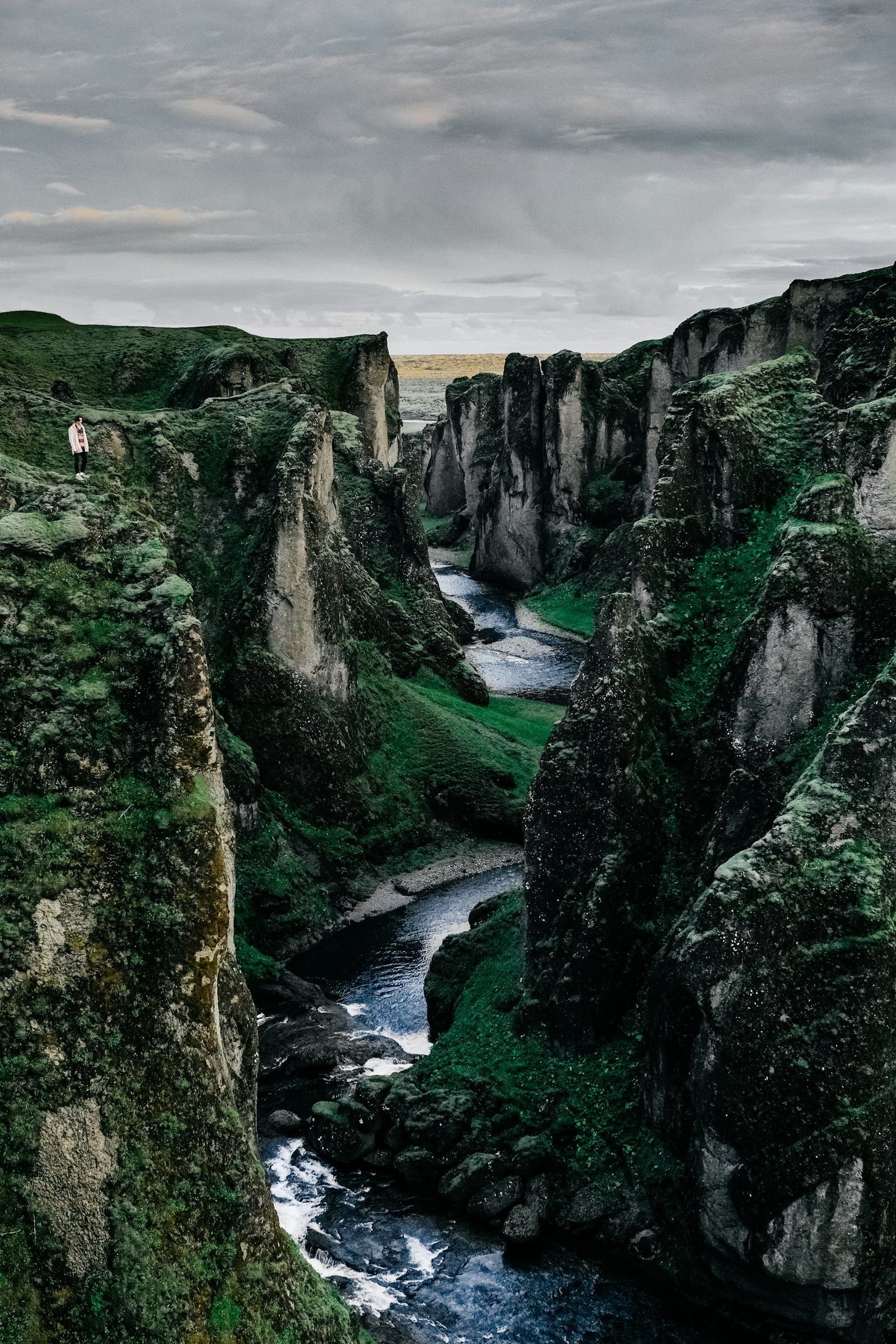
Iceland Road Trip: The Ring Road in 10 Days
Iceland is the country where Earth shows its power in its purest form. For ten days, we drove the 1,332 kilometers of the Ring Road (Route 1), the artery that circumnavigates the island, discovering landscapes that seem from another planet: colossal waterfalls, ancient glaciers, black sand beaches, and the hypnotic northern lights.
Preparations: What you need to know before departing
Iceland requires careful planning. The weather is unpredictable (it can snow in August), distances are deceiving, and prices are high. But with good preparation, it's the trip of a lifetime.
Car rental: Essential to choose a 4x4 if going in winter or planning to leave main roads. We booked months in advance for €80/day, including gravel insurance (essential) and sandstorm protection.
Accommodation: We booked everything 3 months ahead. We alternated between hotels, guesthouses, and cabins with kitchens (the savings on meals offset the extra cost). In high season, even campsites fill up.
Ideal time: We went in September, the perfect balance: long days (still light until 9 PM), chance of northern lights, passable roads, and fewer tourists than summer. Winter offers snowy landscapes and guaranteed auroras, but many roads close.
Budget: Iceland is expensive. A coffee costs €5, a burger €25, a fish dish €40. We brought a cooler and cooked most dinners at accommodations with kitchens.
Days 1-2: Reykjavík and the Golden Circle
We landed in Keflavík at 6 AM, picked up the car, and went straight to the Blue Lagoon. Yes, it's touristy, but floating in those milky blue thermal waters surrounded by black lava fields is magical. Book weeks in advance.
Reykjavík is small but charming. We walked along Laugavegur (the main street), visited the iconic Hallgrímskirkja church, and dined at Grillið (justified splurge: Icelandic tasting menu with cod, lamb, and skyr).
The second day we tackled the Golden Circle, Iceland's most popular route:
Þingvellir: Where the American and Eurasian tectonic plates visibly separate. We walked between the two continents, literally with one foot on each.
Geysir: Strokkur erupts every 5-10 minutes, shooting boiling water 30 meters high. Hypnotic to watch the blue bubble grow until it explodes.
Gullfoss: The 'golden waterfall' is brutal. Two falls at right angles, with a 32-meter total drop. The spray soaked us, but it was worth it.
That night, first aurora hunt. We drove 30 minutes out of the city, turned off lights, and waited. At 11 PM, the sky exploded in undulating greens. I cried.
Days 3-4: The south coast and its waterfalls
Iceland's south coast is a succession of increasingly spectacular waterfalls:
Seljalandsfoss: The waterfall you can walk behind. We passed behind the 60-meter curtain of water while a rainbow formed in the spray. Be prepared to get wet.
Skógafoss: Wider and more powerful. We climbed the 527 steps to the top to see the Skógá river plunge at our feet. From above, the Fimmvörðuháls trail begins its route toward Þórsmörk.
Between waterfalls, we stopped in Vík, Iceland's rainiest town. Reynisfjara beach, with its black volcanic sand, basalt columns, and brutal waves, looks like a Game of Thrones set (because it is). The waves are treacherous; tourists die every year from getting too close.
That night, under a clear sky, the auroras were even more intense. Greens, purples, even reds. They danced above our heads while the cold chilled us to the bone.
Days 5-6: Glaciers and the iceberg lagoon
Vatnajökull National Park houses Europe's largest glacier, and visiting it is a humbling experience.
We did a guided walk on Sólheimajökull glacier. With crampons and ice axes, we crossed crevasses, touched 1,000-year-old blue ice, and drank crystal-clear meltwater. The guide explained how the glacier retreats 50 meters a year. In 50 years, it could disappear.
Jökulsárlón, the glacier lagoon, was the trip's most magical moment. Blue and white icebergs float silently, broken off from Breiðamerkurjökull glacier. Some are a thousand years old. We watched seals resting on the ice blocks as the icebergs drift toward the sea.
Diamond Beach, right across, is where the icebergs end their journey. Ice fragments shine on the black sand like scattered jewels. At sunset, golden light pierces through the ice, creating an exhibition of natural sculptures.
Days 7-8: The East Fjords and the wild north
We left the tourists behind to venture into Iceland's most remote areas. The East Fjords are narrow, winding, and spectacularly lonely.
Seyðisfjörður: A village of colorful houses at the end of a fjord, with a sky-blue church and artistic atmosphere. We arrived under torrential rain that added drama to the landscape.
The eastern road is slow but hypnotic. Sharp curves, mountains falling into the sea, villages of 50 inhabitants. We stopped at farms selling Icelandic wool and at a café where the owner baked rye bread buried in volcanic ash.
The north has another personality. Akureyri, the 'capital of the north', is surprisingly welcoming. We visited the world's most northerly botanical garden and dined on fresh cod at Strikið.
Goðafoss, the 'waterfall of the gods', was the finale. According to legend, when Iceland converted to Christianity in the year 1000, the Viking chief Þorgeir threw the statues of Norse gods here. The semicircular waterfall, with blue water falling in a curtain, justifies the name.
Days 9-10: Mývatn and the return
The Mývatn region is Iceland in miniature: everything the country offers, concentrated in a few kilometers.
Námaskarð: A geothermal field where the ground bubbles, smokes, and smells of sulfur. It looks like Mars with fumaroles. Colors range from yellow to intense orange.
Dimmuborgir: Lava formations that look like ruins of an ancient city. Icelanders believe trolls live here. Walking among the rock towers at sunset, we almost believed it too.
Mývatn Nature Baths: The local alternative to Blue Lagoon. Same blue thermal waters, a tenth of the tourists, views of the lake with its pseudo-craters. We stayed until stars filled the sky.
Krafla: An active volcano (the last eruption was in 1984) with an emerald green crater lake. The trail passes through still-smoking lava fields and active fumaroles.
The last day, we drove the 6 hours back to Reykjavík, stopping at every viewpoint, processing everything we'd experienced. Iceland isn't a destination, it's a transformative experience.
Essential tips for the Ring Road
- 1Download offline maps and bring a car charger: many areas have no mobile coverage.
- 2Never underestimate distances: 100 km can take 2 hours due to road conditions.
- 3Check road.is every morning for road conditions and vedur.is for weather.
- 4Bring extra food and water: there are 100+ km stretches without gas stations or towns.
- 5Don't drive off-road: Iceland's ecosystem is fragile and fines are very high.
Approximate budget (2 people, 10 days)
Plan this trip
Itineraries, budgets and real traveler routes for this destination.
More stories from Iceland
Ready for your Icelandic adventure? Download Odysseus and plan your perfect Ring Road.
Create a free account on the web