Uzbekistan: The Silk Road, Madrassas and Ancient Bazaars in 10 Days
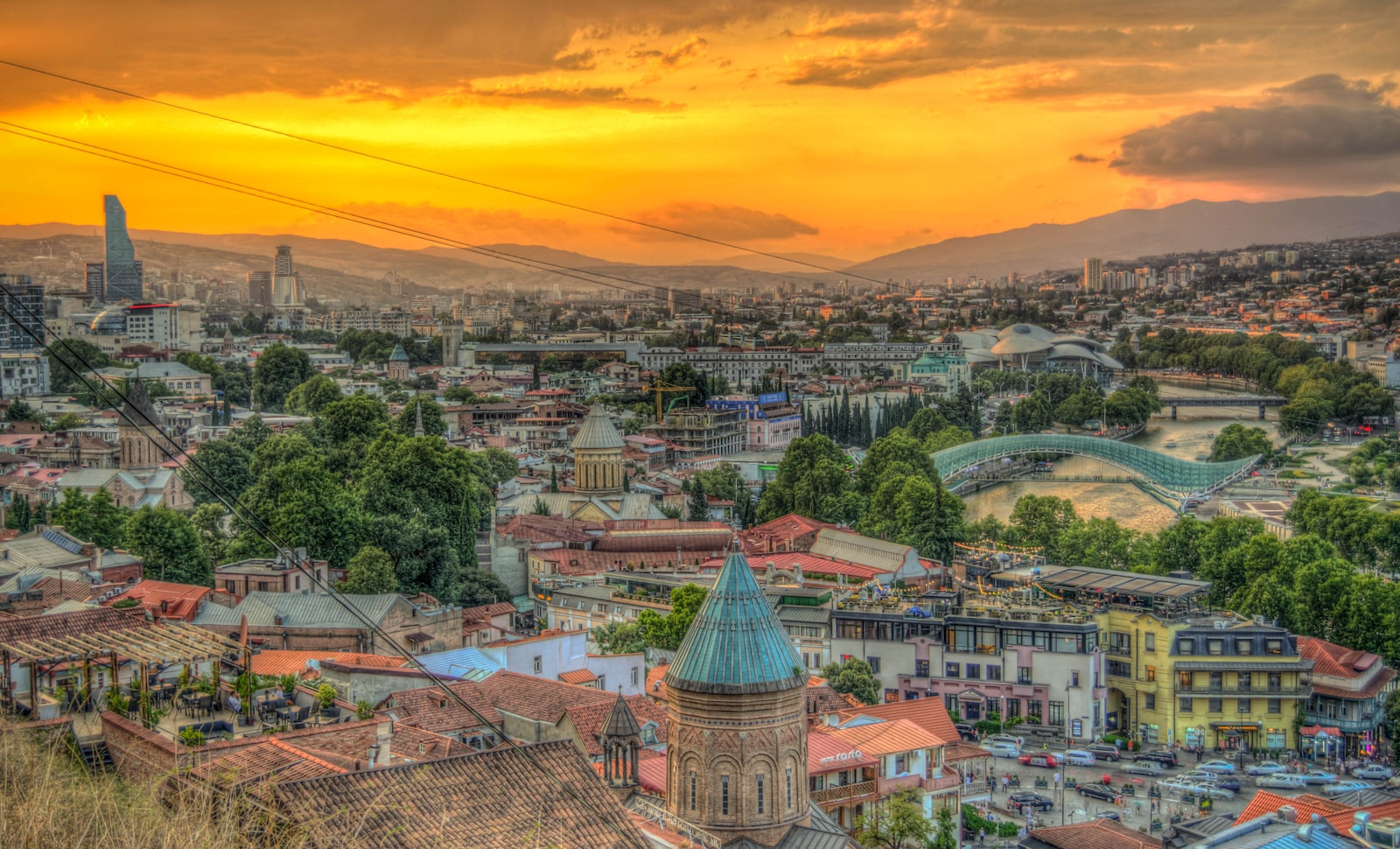
Uzbekistan is Central Asia's hidden gem and the heart of the legendary Silk Road. Samarkand, Bukhara and Khiva are cities straight out of One Thousand and One Nights: turquoise domes, madrassas with infinite mosaics and bazaars where time stood still. 🕌 Here's how we traveled history's most epic route.
Tashkent: Gateway to Central Asia
Tashkent surprises everyone who arrives expecting just a layover. The Uzbek capital is a fascinating mix of Soviet brutalism, Islamic architecture and galloping modernity. Tashkent's metro is itself an art gallery: each station has unique design with marble, mosaics and chandeliers (until 2018 photography was banned for "national security" reasons).
Chorsu Bazaar is Central Asia's largest market: a massive dome selling spices, dried fruits, freshly baked breads (non) from tandyr ovens and the country's best plov (pilaf rice with lamb, chickpeas and carrots). Plov is the national dish and every region has its own version.
Khast-Imam Square houses one of the oldest copies of the Quran (the Uthman Quran, 7th century), an enormous manuscript kept in a glass display case. The Kukeldash Madrassa (16th century) completes the historic ensemble.
Tashkent is also a city of parks and wide Soviet boulevards. The TV tower offers panoramic views, but the best sunset is from Amir Timur Square, where Tamerlane's equestrian statue presides over the city that was his empire's capital.
Samarkand: The Registan and Tamerlane's tomb
Samarkand is one of the world's oldest cities (2,700 years) and was the capital of Timur's (Tamerlane's) empire. The Registan is Central Asia's most photogenic square: three monumental madrassas (Ulugh Beg, Sher-Dor and Tilya-Kori) covered in blue and gold mosaics that shimmer with changing light.
Gur-i-Amir is Tamerlane's mausoleum: a fluted turquoise dome containing the conqueror's tomb and those of his descendants. According to legend, a curse protects the tomb: "Whoever opens my tomb shall unleash a conqueror more terrible than I." The Soviets opened it in 1941... and the next day Hitler invaded the USSR.
Shah-i-Zinda is Central Asia's most beautiful necropolis: a corridor of mausoleums covered in blue, turquoise and gold ceramics ascending a hillside. Each mausoleum has unique design and the light filtering between buildings creates a mystical atmosphere.
Ulugh Beg's observatory (Tamerlane's grandson and 15th-century astronomer) calculated the year's duration with an error of just 58 seconds from the modern value. The 30-meter radius sextant, carved into rock, is one of the world's most impressive ancient astronomical instruments.
Bukhara: One Thousand and One Nights
Bukhara (2,500 years of history) is the Silk Road's most intimate and bewitching city. Its historic center, a World Heritage Site, is a labyrinth of caravanserais, mosques, madrassas and covered bazaars that can be explored on foot in a day.
The Poi-Kalon complex dominates the skyline: the Kalon Minaret (47 m, 12th century) was so impressive that Genghis Khan, who destroyed the entire city, ordered it preserved. The Kalon Mosque (holding 10,000 worshippers) and Mir-i-Arab Madrassa complete the ensemble.
The Ark Fortress is the 2,000-year-old royal citadel where Bukhara's emirs lived until 1920. The dungeons (zindan) held British prisoners during the 19th-century "Great Game" between Russia and England for control of Central Asia.
Bukhara's hammams are a living tradition. Bozori-Kord (16th century) still operates and offers the full experience: steam, massage and tea. The specialized covered bazaars (taq)—jewelers, hatters, money changers—preserve their medieval commercial structure.
Sunset from the Lyabi-Hauz pool, surrounded by centuries-old mulberry trees, madrassas and teahouses, is Bukhara's most magical moment. Elders play backgammon while the muezzin calls to prayer.
Khiva: The museum city
Khiva is a perfectly preserved walled city that looks like a movie set. Itchan Kala (the inner city) is a World Heritage Site where every building is a monument: mosques, minarets, madrassas and palaces of mud brick and turquoise ceramics.
The Kalta Minor minaret (unfinished, covered in turquoise mosaics) is Khiva's symbol. It was planned as the tallest in the Islamic world, but the khan died before completing it. Islam Khodja, Khiva's tallest minaret (57 m), offers panoramic views of the city and surrounding desert.
Tosh-Hovli Palace is a masterpiece of Uzbek decoration: courtyards with carved wooden columns, ceilings painted in blue and gold, and ceramics covering every inch of the walls.
The Karakum Desert begins just beyond the walls. Desert tours include nomadic yurts, camels and a starry sky comparable to Atacama. The Ayaz-Qala fortress (4th century), lost in the desert, offers the Silk Road's most cinematic image.
Practical tips and budget
The Afrosiyob high-speed train connects Tashkent-Samarkand (2h, ~€10) and Samarkand-Bukhara (1.5h, ~€8). It's modern, punctual and comfortable. Bukhara-Khiva is done by shared taxi (5-6h, ~€15/person) or new train (under construction).
Visas are free for 30 days for most European and American nationalities (visa-free entry). The Uzbek som is the local currency; ATMs dispense USD which are exchanged at markets. Cards work increasingly but carrying cash is recommended.
Uzbek food is hearty and delicious: plov (the king dish), shashlik (lamb kebabs), lagman (noodle soup), somsa (tandyr-baked lamb pastries), manti (steamed dumplings) and non (round tandyr-baked bread). A full lunch costs €2-5.
Budget for 10 days (2 people): Accommodation (B&B and boutique): €300-500. Trains: €50-80. Meals: €150-250. International flight: €250-450/person. Monument entrance fees: €50-100. Taxis and local transport: €60-100. Desert tours: €50-100. Total: €900-1,600 for two people. Uzbekistan is one of the world's best value-for-money destinations.
Best time: April-June and September-November (20-30°C). July-August is extremely hot (45°C). Winter (December-February) is cold but tourist-free. Modest clothing (cover shoulders and knees) for mosques.
Ready to live your own adventure? Create your free Odysseus account and plan your next trip.
Create a free account on the web