Tanzania: Serengeti, Zanzibar and Kilimanjaro in 12 Days
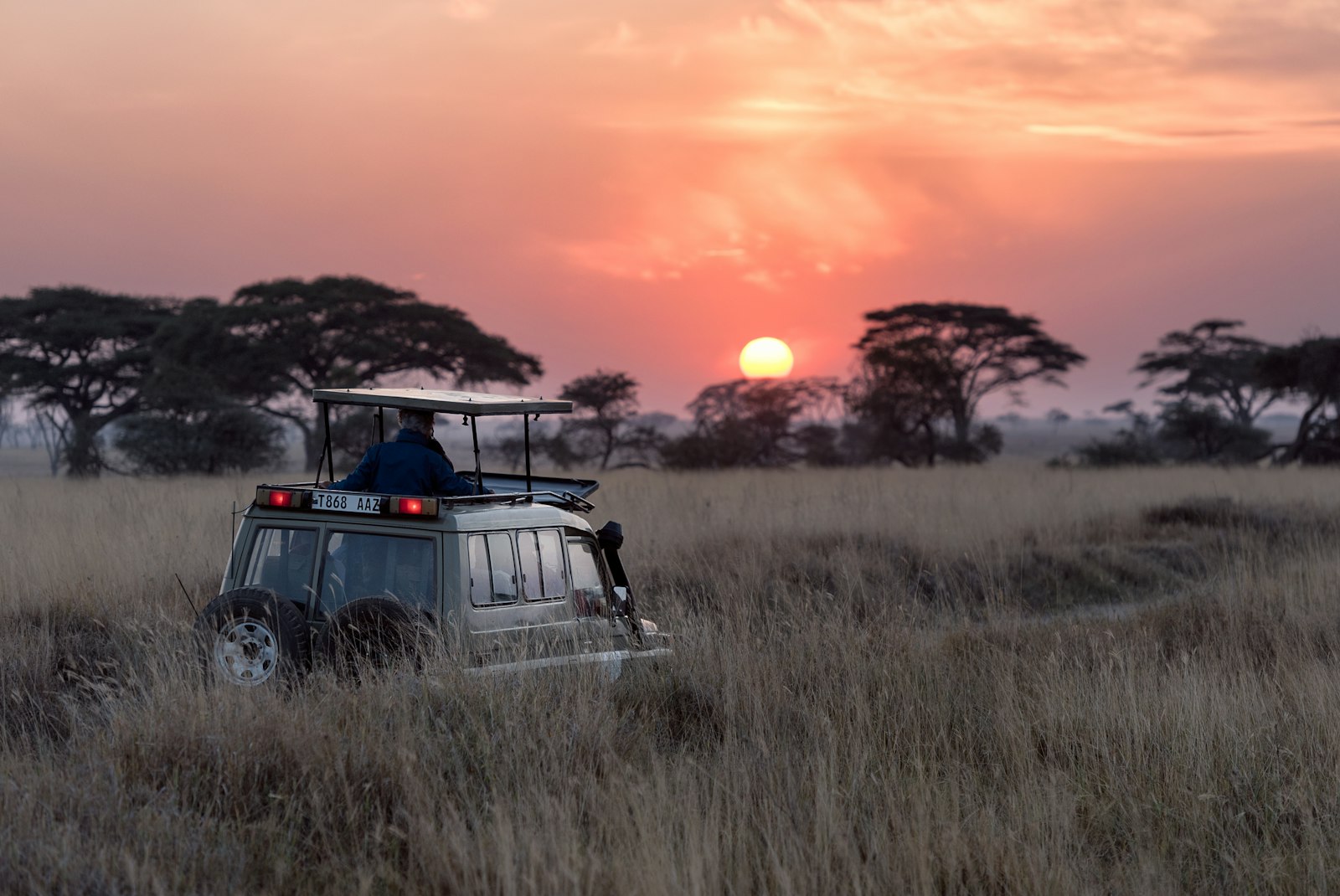
Tanzania is the ultimate destination for wild nature lovers. The Serengeti Great Migration, Ngorongoro Crater, white sand beaches in Zanzibar and Kilimanjaro's summit in the background. 🦁 Here's how we spent 12 days in the heart of East Africa.
Serengeti: The Great Migration
Serengeti National Park is, without exaggeration, the best place in the world to see wildlife. "Serengeti" means "endless plain" in Maasai, and when you're there you understand why: a golden grass ocean stretching to the horizon in every direction.
The Great Migration—2 million wildebeest, zebras and gazelles moving in an eternal cycle—is nature's greatest spectacle. Depending on the season, herds are in different zones: between December and March they calve in the south (Ndutu), between June and October they cross the Mara River in the north, risking their lives against 5-meter crocodiles.
In 3 safari days we saw lions hunting, leopards in acacia branches, elephants crossing the camp at sunset, hyenas with cubs, giraffes at dawn and a cheetah chasing a gazelle at 100 km/h. The most intense moment: a male lion 5 meters from the jeep, looking us directly in the eyes.
We stayed in a canvas tent camp with beds, private shower and WC in the middle of the Serengeti (€200-300/night per person, all-inclusive). Falling asleep to distant lion roars is a life-changing experience.
Ngorongoro Crater: Africa's Eden
The Ngorongoro Crater is a 20 km diameter volcanic caldera containing the planet's most perfect closed ecosystem. 25,000 animals live permanently inside: lions, black rhinos (critically endangered), hippos, pink flamingos, hyenas and buffalo.
It's the only place in Tanzania where you're practically guaranteed to see black rhinos. We spotted them about 200 meters away, grazing peacefully while pink flamingos tinged the crater lake pink.
The descent into the crater follows winding dirt roads. Morning mist creates a mystical atmosphere: animal shadows appear and disappear in the haze. At noon, picnic by a river where hippos yawn showing 50 cm tusks.
The Maasai village on the crater rim opened its doors to us. Maasai women with their colorful beaded necklaces showed us their bomas (mud and dung houses), their jumping dances and their semi-nomadic lifestyle. Buying crafts directly from the women is the most ethical way to support the community.
Lake Manyara and Tarangire
Lake Manyara is famous for its tree-climbing lions, a rare behavior only observed here and in Uganda's Queen Elizabeth. We saw them lounging in giant acacia branches, looking bored while baboons played below.
The pink flamingo flocks covering the lakeshore (November to June) create one of Africa's most photogenic spectacles. Thousands of flamingos reflected in the alkaline water with forest backdrop is pure visual poetry.
Tarangire National Park is lesser-known but we loved it. It has Tanzania's highest elephant concentration: we saw families of 30-40 individuals parading among ancient baobabs. Tarangire's baobabs are enormous—some are 1,000 years old—creating a landscape straight out of The Little Prince.
Dry season (June-October) is best for safaris: animals concentrate around water sources and low vegetation makes sightings easier. Rainy season (November-May) has fewer tourists, greener landscapes and is breeding season.
Zanzibar: Spices and dream beaches
Zanzibar is the perfect safari counterpoint: talcum-white sand beaches, turquoise waters and a fascinating history as the Indian Ocean's spice and slave trade capital.
Stone Town, the capital, is UNESCO World Heritage. Its labyrinthine streets hide centuries-old carved doors, the Sultan's Palace, the former slave market (now a memorial) and Freddie Mercury's birthplace (yes, the Queen frontman was born here).
Spice Gardens are a sensory immersion: you touch, smell and taste cinnamon, clove, vanilla, pepper, nutmeg and cardamom directly from plants. Zanzibar was for centuries the world's largest clove exporter.
Nungwi and Kendwa in the north have the best beaches: fine sand, turquoise water without extreme tides and sunsets painting the sky orange and violet. Paje on the east coast is a kitesurf paradise with constant wind and shallow lagoons.
Zanzibari cuisine blends Arabic, Indian and African influences: Zanzibar pizza (crispy crepe stuffed with meat, vegetables and egg), urojo (spice soup), biryani and seafood from Forodhani Gardens night market, where you dine for €3-5 facing the ocean.
Kilimanjaro, tips and budget
Kilimanjaro (5,895 m) is Africa's highest mountain and the world's tallest you can climb without technical gear. Though we didn't summit it, we saw it from Moshi at dawn: the snow-capped peak emerging above clouds is an image burned into memory.
The most popular routes are Machame (6-7 days, more scenic) and Marangu (5-6 days, with huts). Cost is significant: €2,000-4,000 per person including guides, porters, park fees and equipment. Success rate ranges 65-85% depending on the route.
Budget for 12 days (2 people): Safari 5 days (Serengeti, Ngorongoro, Manyara): €2,500-4,000 (all-inclusive with camp/lodge). Zanzibar 5 days: €600-1,000 (accommodation, meals, tours). Internal flights Arusha-Zanzibar: €150-250/person. International flight: €400-600/person. Visas and vaccines: €100-150. Total: €3,750-5,600 for two people.
Mandatory vaccines: yellow fever (certificate required). Recommended: hepatitis A/B, typhoid and antimalarial prophylaxis (consult international vaccination center). Best safari time: June-October. For Zanzibar: June-October and December-February.
Ready to live your own adventure? Create your free Odysseus account and plan your next trip.
Create a free account on the web