Switzerland: Lucerne, Alps and Panoramic Trains in 7 Days
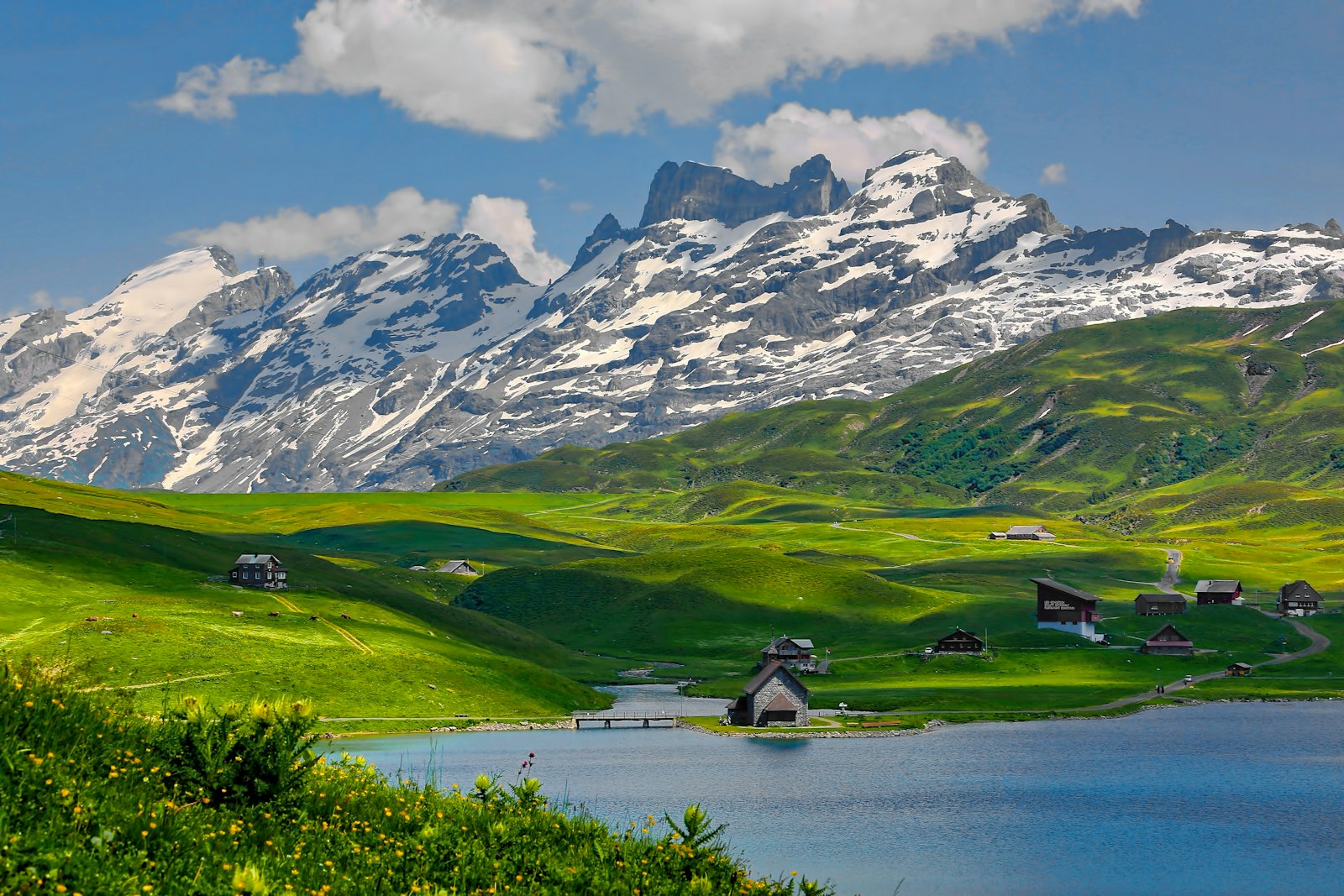
Switzerland is the postcard come to life: crystal-clear lakes, snow-capped Alps, toy-like trains and chocolate that tastes like heaven. From Lucerne to Zermatt, through the Glacier Express. 🇨🇭 Here's how we spent 7 days in Europe's most beautiful country.
Lucerne: The Lake Jewel
Lucerne stole our hearts from the very first moment. The Kapellbrücke (Chapel Bridge), from the 14th century, is Europe's oldest covered wooden bridge. Crossing it at sunset with Mount Pilatus reflected in the lake is pure magic.
The old town is a maze of squares with painted fountains, medieval facades with frescoes and the Lion of Lucerne, a rock-carved sculpture Mark Twain described as "the saddest piece of stone in the world."
We climbed Mount Pilatus on the world's steepest cogwheel railway (48% gradient). At the top, 2,132 meters up, the views of the Alps and Lake Lucerne are indescribable.
The lake cruise was one of the trip's best experiences: historic steamboats sailing between villages that look straight out of a fairy tale.
Interlaken and the Jungfraujoch
Interlaken, between two turquoise lakes, is the gateway to the Bernese Alps. The view of Jungfrau, Mönch and Eiger from the village is dramatic even on a cloudy day.
The train to Jungfraujoch (3,454 m), Europe's highest railway station, is an experience that justifies the price (€200). The Ice Palace, carved inside the Aletsch Glacier, and the Sphinx observation deck offer 360° panoramas of the Alps.
We went paragliding over Interlaken and it was the most beautiful adrenaline rush of our lives: flying with the Eiger behind and the lakes below is surreal.
In Grindelwald, the most photogenic alpine village, we discovered the First Cliff Walk: a walkway suspended over the precipice with glacier views. Not for those afraid of heights.
Glacier Express and Zermatt
The Glacier Express is the world's slowest express train (8 hours for 290 km) and the most spectacular. It crosses 291 bridges, 91 tunnels and the Oberalp Pass at 2,033 meters. The panoramic carriage with glass roof is a must.
Zermatt, at the foot of the Matterhorn, is a car-free village where only electric vehicles circulate. The air is the purest we've ever breathed.
Gornergrat (3,089 m) offers the best Matterhorn view. The mountain's reflection in Riffelsee at sunrise IS the photo of Switzerland.
Swiss fondue in Zermatt, with melted Gruyère and Vacherin cheese, accompanied by Valais white wine, was the perfect dinner to close the trip.
Practical Tips and Budget
**Best time:** June-September for hiking. December-March for skiing.
**Budget per person (7 days):** - International flights: €80-200 - Swiss Travel Pass (8 days): €380 - Accommodation (3-4* hotels): €500-900 - Meals: €250-450 - Jungfraujoch + extras: €250-350 - **Estimated total: €1,460-2,280**
**Essential tips:** - The Swiss Travel Pass is ESSENTIAL: includes trains, boats, buses and museums - Switzerland is expensive: a basic meal costs €25-40. Shop at Coop or Migros to save - Download the SBB app for real-time train schedules - Bring layers: it can snow in the Alps in July - Tap water is excellent throughout Switzerland, don't buy bottled
Plan this trip
Itineraries, budgets and real traveler routes for this destination.
Ready to live your own adventure? Create your free Odysseus account and plan your next trip.
Create a free account on the web