Lisbon: 5 Days Among Azulejos, Fado and Tagus River Viewpoints
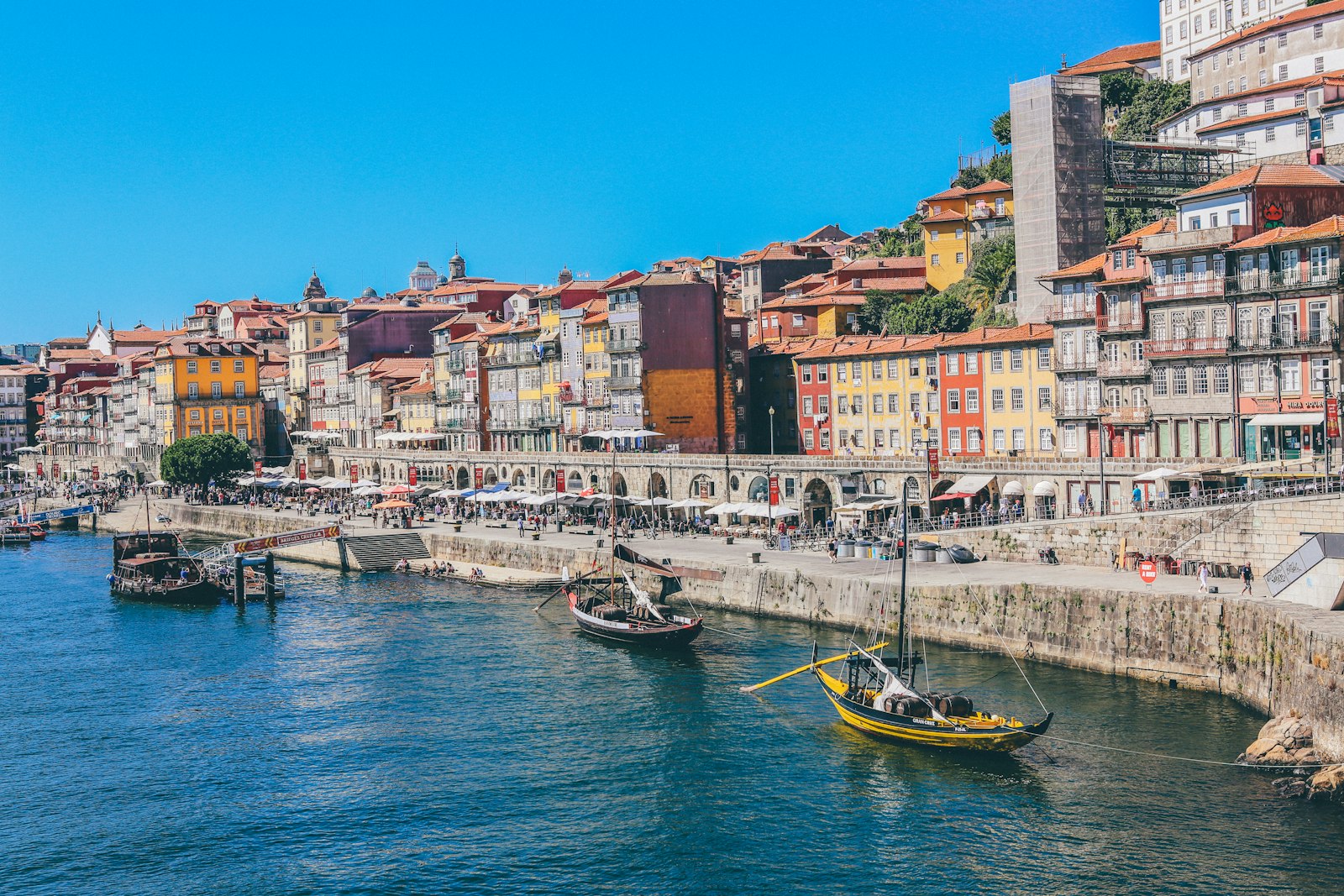
Lisbon is light. The white Atlantic light bouncing off blue and yellow tiled facades, off cobblestones polished by centuries, off the white sails on the Tagus. 🌊 Five days to fall in love with Europe's most authentic, affordable and photogenic capital of the moment.
Alfama, the neighborhood of fado and viewpoints
Alfama, the oldest neighborhood (it survived the 1755 earthquake), is Lisbon concentrated: cobbled alleys, blue-tiled houses, laundry hanging between balconies and the sound of fado escaping from taverns. Walking up is exhausting (steep streets, cobblestones), which is why the iconic Tram 28 (€3.10) runs Graça-Alfama-Baixa-Estrela: board early (8AM) to avoid crowds and pickpockets.
São Jorge Castle (€15) is the best central viewpoint: 360° over the Tagus, peacocks roaming the grounds and the history of Lisbon's founding. The Santa Luzia Viewpoint (free) has the city's most photographed tiles. Miradouro da Senhora do Monte (free, the highest) offers the most spectacular sunset.
Fado in Alfama isn't touristy when you choose well: Mesa de Frades (converted 18th-century chapel, dinner + fado €70, reservation essential) or Tasca do Chico (no reservation, tipping, the most authentic fado, €15 per drink + tip). Fado has been UNESCO Heritage since 2011.
The Sé Cathedral (free), Santo Antonio Church (Lisbon's patron, free) and the National Pantheon (€5, dome views) complete Alfama's monumental area.
Belém: Lisbon of discoveries and pastries
Belém, 6 km from the center (tram 15 or train from Cais do Sodré, €1.5), is the 15th-century neighborhood: when Portugal ruled the seas and discovered routes to India and Brazil. Jerónimos Monastery (€10, free first Sunday of month) is UNESCO Heritage: Manueline Gothic with the tombs of Vasco da Gama and Camões.
By the river, Belém Tower (€8) is Portugal's most photographed monument. The Padrão dos Descobrimentos (€10 to climb) honors the great navigators with views over the Tagus and the 25 de Abril Bridge (twin of San Francisco's Golden Gate, same architect, 1966).
Pastelaria de Belém (1837) is the only place with the original pastel de Belém recipe (all others are pastéis de nata): €1.40 each. Sprinkle with cinnamon and powdered sugar. Lines are long but quick. For seating, better mid-morning or afternoon.
The MAAT (Museum of Art, Architecture and Technology, €11) and CCB (Belém Cultural Centre) have top temporary exhibitions. The Coach Museum (€8) holds Europe's most spectacular royal collection.
Bairro Alto, Chiado and the Lisbon night
Chiado is the chic-bohemian neighborhood: Bertrand bookstore (the world's oldest still operating, 1732), Café A Brasileira (frequented by Pessoa, his statue sitting on the terrace is the must-take photo, coffee €1.5) and the Convento do Carmo (€4, open-air Gothic ruins after the 1755 earthquake, one of the most moving visits).
The Santa Justa Elevator (€5.30 up) climbs to Chiado from Baixa: views of the castle and center. Free alternative: walk up via Calçada do Carmo.
Bairro Alto is Lisbon's nightlife. Small bars where people drink in the street (no alcohol sales in supermarkets after 10PM, but bars serve until 2AM). Park Bar (rooftop over a parking garage, cocktails €8, spectacular views) and Pensão Amor (former brothel, decadent and unique) are must-visits.
The Time Out Market (Mercado da Ribeira, open until midnight) gathers 35 stalls from Lisbon's best chefs and restaurateurs. Quality tapas from €5. Ideal for varied and cheap dinner. LX Factory is the creative neighborhood: Ler Devagar bookshop (shelves to the ceiling and flying bicycles), brunch and Sunday market.
Sintra and day trips from Lisbon
Sintra (40 min by train from Rossio, €4.60 round trip) is UNESCO Heritage and the obligatory day trip. Pena Palace (€14) is a neo-Gothic castle in shocking colors (yellow, red and purple) atop the mountains: Portugal's best image. Castle of the Moors (€8) has 8th-century walls and ocean views.
Quinta da Regaleira (€12) is the most fascinating visit: esoteric gardens, the Initiation Well (descending spiral staircase 27 meters deep with Masonic symbolism). Book tickets in advance.
Cabo da Roca (bus 403 from Sintra, €4.50) is mainland Europe's westernmost point. 140m cliffs over the Atlantic. Bring a coat: cold and very windy year-round.
Other trips: Évora (90 min, medieval city with the Chapel of Bones), Óbidos (60 min, walled town), Costa da Caparica (30 min, surf beaches) and Setúbal (45 min, dolphins and Moscatel wine).
Practical tips and budget
Getting around: the Lisboa Card (€22/24h, €37/48h) includes unlimited transport and entry to 35 monuments: worth it if visiting Jerónimos, Belém Tower, Castle and Tram 28. The Viva Viagem (rechargeable, €1.50/ride) is simpler if just using transport. The metro is basic but useful for the airport (€1.80).
Accommodation: Baixa-Chiado is ideal for a first visit (central, flat, transport). Alfama is romantic but full of stairs. Príncipe Real is the coolest. Hostels from €25/night, boutique hotels from €90, luxury on Avenida da Liberdade from €200.
Budget for 5 days (per person): Flight: €60-180 (from Spain). Accommodation: €350-700. Lisboa Card 48h: €37. Food: €150-300 (cuisine is affordable: bacalhau à brás €12, grilled sardines €10, vinho verde €3). Day trips (Sintra, Cabo da Roca): €50-80. Total: ~€600-1,150 (excluding flight).
Best time: March-May and September-October (18-25°C, sun, no crowds). June (Santo Antonio month, popular festivities in Alfama with grilled sardines on every corner). Avoid August (heat + cruise tourists + high prices).
Plan this trip
Itineraries, budgets and real traveler routes for this destination.
More stories from Portugal
Ready to live your own adventure? Create your free Odysseus account and plan your next trip.
Create a free account on the web