Jordan: Petra, Wadi Rum and the Dead Sea in 8 Days
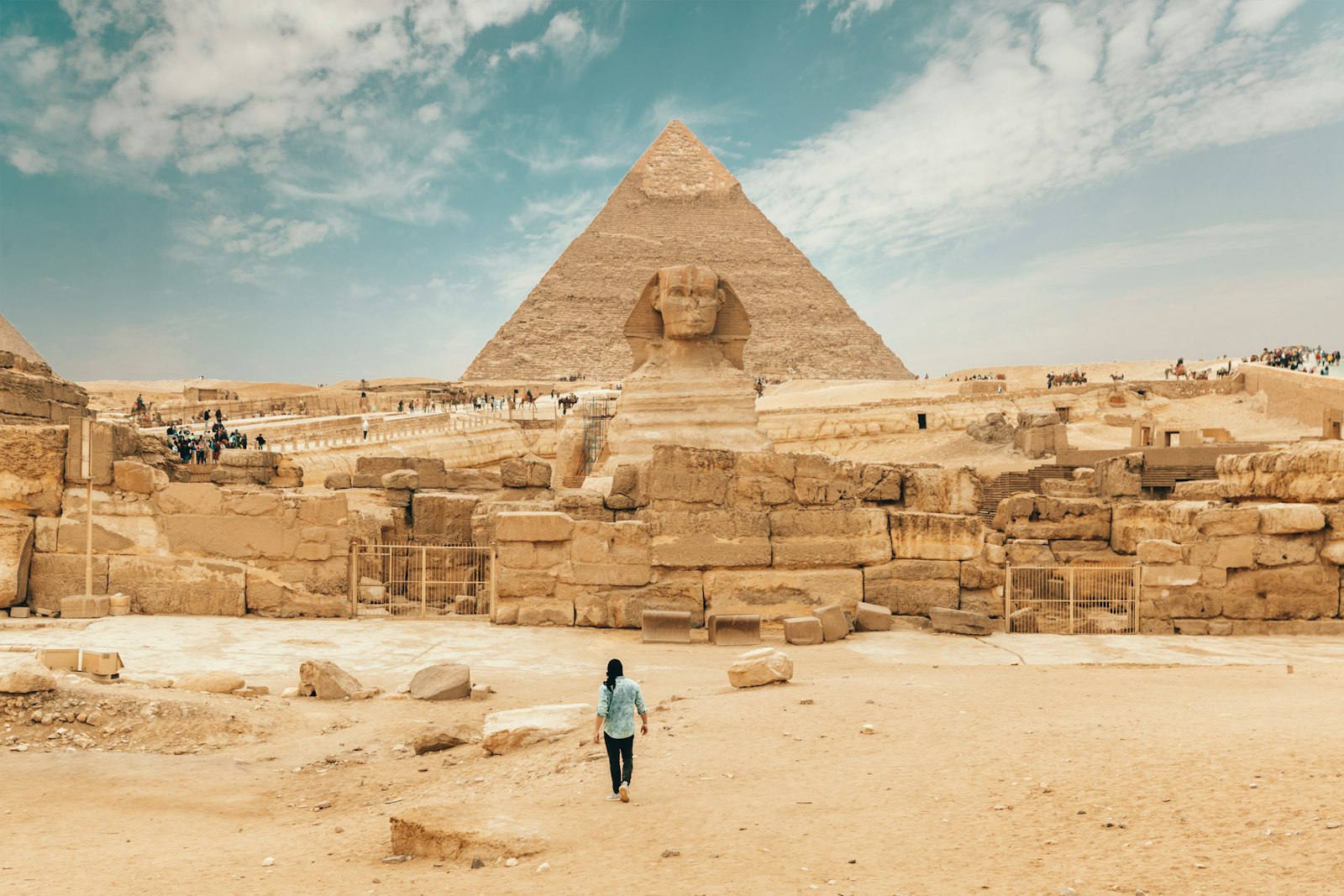
Jordan is one of those destinations that seems straight out of an Indiana Jones movie. Cities carved in pink rock, deserts where Bedouins invite you for tea, and a sea where you float effortlessly. 🏜️ Here's how we spent 8 days in the Hashemite Kingdom.
Amman: Gateway to the ancient world
Amman surprises. Jordan's capital is a fascinating mix of Roman ruins and modernity. The Citadel, with the Temple of Hercules and the Umayyad Palace, offers panoramic views of a city that spreads across 7 hills (now 19).
The Roman Theatre, from the 2nd century, is still in use and seats 6,000. In the center, Amman's souk buzzes with spice vendors, Arabic sweets and the aroma of cardamom coffee.
Rainbow Street is the trendiest neighborhood: cafés, galleries, rooftop restaurants and the city's best nightlife. Jordanian cuisine is a feast: mansaf (lamb with yogurt over rice, the national dish), falafel, hummus, maqluba and knafeh sweets with cheese and syrup.
From Amman we visited Jerash, the "Pompeii of the East." It's one of the best-preserved Roman cities outside Italy: perfect colonnades, a hippodrome, temples and an oval forum that transports you 2,000 years back.
Petra: The rose-red city of the desert
Petra is undoubtedly the trip's highlight and one of the New Seven Wonders of the World. Nothing prepares you for the moment the Siq (a 1.2 km gorge flanked by 80-meter walls) opens up to reveal The Treasury (Al-Khazneh).
The 40-meter facade carved in pink sandstone glows with orange and golden tones depending on the time of day. We arrived at dawn (entry at 6:00 AM) and were practically alone. By noon there are hundreds of people.
But Petra is much more than The Treasury. The Monastery (Ad-Deir) requires climbing 800 steps, but it's even bigger and more impressive. The Royal Tombs, the rock-carved Amphitheatre seating 3,000, and the High Place of Sacrifice with valley-wide views complete an intense day.
We dedicated 2 full days to Petra. The second day we explored lesser-known trails like Wadi Farasa and the Roman Soldier's Tomb. At night, Petra by Night illuminates The Treasury with 1,500 candles: a mystical experience held Monday, Wednesday and Thursday (17 JOD).
Wadi Rum: Mars on Earth
Wadi Rum is the most spectacular desert we've seen. It's not flat sand: granite and red sandstone formations rise up to 1,750 meters, creating a landscape that NASA literally uses as a set to simulate Mars.
We hired a Bedouin 4x4 tour (4 hours, 40 JOD per person). We visited Um Fruth Rock Bridge (climbable), 2,000-year-old Nabataean inscriptions, the Khazali canyon with petroglyphs and red dunes where we slid down like kids.
The night at a Bedouin camp under the stars was the trip's most magical moment. Without light pollution, the Milky Way is visible with impossible clarity. We dined on zarb: lamb and vegetables cooked under sand for hours, an ancestral Bedouin barbecue.
Camps range from basic (tent with mattress, €25) to luxury bubbles with private bathroom and transparent roof (€150-300). We chose a mid-range camp with traditional goat-hair tents and shared bathroom (€50/person including dinner and breakfast).
The Dead Sea and Dana Reserve
The Dead Sea is Earth's lowest point (430 meters below sea level) and one of those experiences you must have at least once. Salinity is 10 times greater than the ocean: you literally float without doing anything. Reading a newspaper while floating is the obligatory cliché.
Dead Sea black mud is full of minerals. We covered ourselves head to toe, let it dry in the sun, then rinsed in the water. Skin feels incredibly soft. Warning: don't wet your eyes or shave beforehand—the sting is brutal.
The Dana Biosphere Reserve is a little-known secret. A valley descending from 1,500-meter mountains to the Wadi Araba desert. We did the Wadi Dana trek (14 km, 5-6 hours) crossing landscapes that shift from Mediterranean forest to lunar desert. The eco-lodgings at Feynan Ecolodge, without electricity and lit by candles, are a unique experience.
The King's Highway connects Amman to Petra via Madaba (Byzantine mosaics), Mount Nebo (where Moses saw the Promised Land) and Kerak Castle, an imposing Crusader fortress.
Practical tips and budget
The Jordan Pass (70-80 JOD depending on duration) includes entry visa and access to Petra and 40+ archaeological sites. It's absolutely essential: the visa alone (40 JOD) plus Petra (50 JOD) already exceed its cost.
Safety in Jordan is excellent. It's one of the safest countries in the Middle East and Jordanian hospitality is legendary. Bedouins will offer you tea at every step (always accept—it's a gesture of courtesy).
Budget for 8 days (2 people): Accommodation (hotels and camps): €500-800. Jordan Pass: €140-160 (2 people). Transport (car rental or tours): €300-400. Meals: €200-300. Wadi Rum tours: €80-100. International flight: €200-350/person. Total: €1,420-2,010 for two people.
Best time: March-May and September-November. Summer exceeds 40°C in Wadi Rum and the Dead Sea. Ramadan (variable dates) doesn't prevent travel but many restaurants close during daytime. The Jordanian dinar (JOD) has a fixed rate with the dollar: 1 JOD = 1.41 USD.
Ready to live your own adventure? Create your free Odysseus account and plan your next trip.
Create a free account on the web