Cuba: Havana, Trinidad, Viñales and Charm Frozen in Time in 10 Days
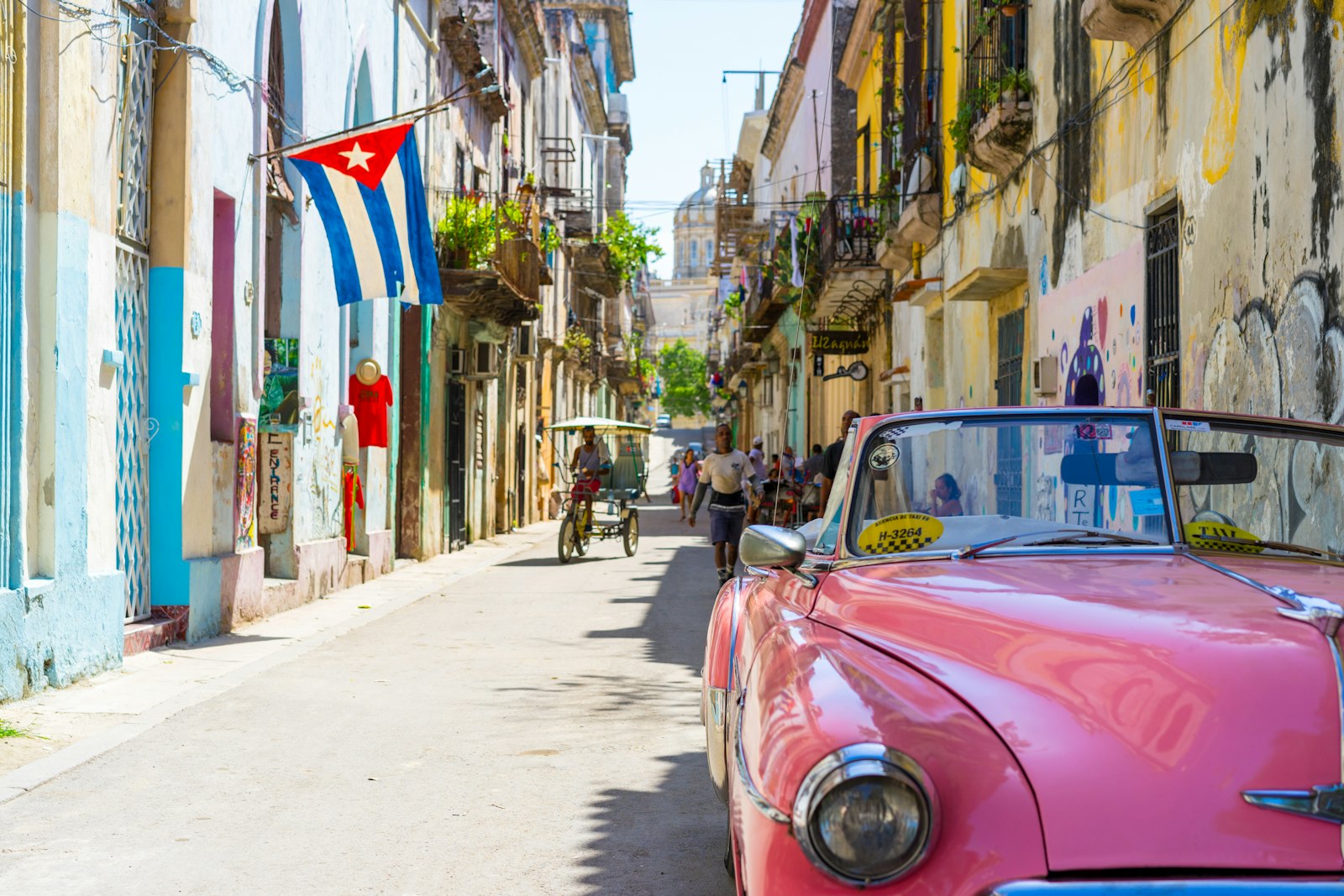
Cuba is a trip through time: 1950s American cars driving through peeling colonial streets, Cuban son pouring from every window, hand-rolled cigars and €2 mojitos in bars where Hemingway drank. But it's also a complex, contradictory country full of nuances that deserves to be visited with respect and an open mind. 🇨🇺 Here's how we explored the island in 10 days.
Old Havana: The Caribbean's colonial jewel
Old Havana (World Heritage Site) is the largest concentration of Spanish colonial architecture on the continent: 3,000 buildings from the 16th to 19th centuries, from Baroque palaces to military fortresses. The restoration process (led by historian Eusebio Leal for decades) has restored splendor to Plaza de la Catedral, Plaza Vieja and Plaza de Armas.
The Malecón (8 km seafront promenade) is Havana's living room: at sunset, families, couples, musicians and fishermen sit on the wall gazing at the sea while classic American cars cruise the avenue. It's Cuba's best free show.
La Bodeguita del Medio ("My mojito at La Bodeguita, my daiquiri at El Floridita" — attributed to Hemingway, though possibly apocryphal) is touristy but unavoidable: a mojito at the bar between walls covered in signatures while live Cuban son plays. El Floridita (birthplace of the daiquiri, 1817) has a statue of Hemingway in his usual spot at the bar.
The Capitolio (replica of Washington's, recently restored), Fábrica de Arte Cubano (multidisciplinary cultural space, Havana's best nightlife, 2 CUC entry) and Hotel Nacional (where Churchill, Sinatra and Ava Gardner stayed, terrace overlooking the Malecón) complete essential Havana.
Trinidad: The sugar museum city
Trinidad (World Heritage Site, founded 1514) is Cuba's best-preserved colonial city: cobblestone streets with original 16th-century stones, colorful houses with red tile roofs, wrought iron grilles and interior courtyards with fountains. Time stopped here when the sugar industry collapsed in the 19th century.
Plaza Mayor is the heart: surrounded by mansions of former sugar barons converted into museums. The Romantic Museum (in Palacio Brunet) shows the obscene luxury of the sugar aristocracy. The Church of the Holy Trinity dominates the square with its yellow bell tower.
The Casa de la Música (open-air staircase) is the nightlife epicenter: live salsa under the stars with all of Trinidad dancing. It's Cuba's best night out (1 CUC entry, beers 1-2 CUC). The Canchánchara (local cocktail of aguardiente, honey and lime) is drunk at the bar of the same name, with live music and a colonial courtyard.
The Valley of the Sugar Mills (12 km away, World Heritage Site) was the epicenter of Cuba's sugar industry: ruins of 70 mills, the Manaca Iznaga Tower (44 meters, from which slaves were watched) and plantations that tell Cuba's darkest history. Playa Ancón (15 minutes by taxi or bike) is the south coast's best beach: white sand, turquoise water and nearly deserted on weekdays.
Viñales: Mogotes, tobacco and rural Cuba
The Viñales Valley (World Heritage Site, 3 hours west of Havana) is Cuba's most spectacular landscape: mogotes (million-year-old karst mountains covered in vegetation) rising from intensely green tobacco fields. The view from Hotel Los Jazmines at sunrise, with mist dissipating between the mogotes, is Cuba's definitive postcard.
Tobacco farms are visited for free (with a tip): vegueros (tobacco farmers) explain the cultivation, drying and hand-rolling process. Smoking a freshly rolled cigar on the farm where the leaf grew is one of the trip's most authentic experiences. Viñales tobacco is considered the world's finest.
The Indian Cave (5 CUC entry) is traversed by boat along an illuminated underground river: stalactite formations in a 300-meter cave system. The Mural of Prehistory (120 meters high, painted on a mogote wall in 1961) is kitsch but photogenic.
Staying in a casa particular (Cuban homestay, 20-35 CUC/night) in Viñales is total immersion: homemade dinner from a Cuban grandmother (chicken with rice, black beans, tostones, salad and dessert for 8-12 CUC), conversations about life in Cuba and invaluable local tips. It's the travel style that contributes most to the local economy.
Cienfuegos, cayos and Cuban experiences
Cienfuegos ("The Pearl of the South", founded by French colonists in 1819) has an elegance different from the rest of Cuba: French-influenced neoclassical architecture, the Tomás Terry Theater (1890, spectacular interior), the Valle Palace (Moorish fantasy facing the bay) and Cienfuegos's Malecón with its sunset promenade.
The northern cayos (Cayo Santa María, Cayo Coco, Cayo Guillermo) have postcard beaches: fine white sand, transparent turquoise water and all-inclusive resorts. The pink flamingos of Cayo Coco (in the wild) are spectacular. From Havana, the journey to the cayos is long (5-7 hours) but worth it for 2-3 days of total beach.
Music is everywhere: from Cuban son (Buena Vista Social Club) in the Casas de la Trova to timba and salsa in nightclubs. Learning to dance salsa with a local teacher (5-10 CUC/hour) is one of the trip's best investments. Fábrica de Arte Cubano in Havana (Thursday to Sunday) mixes galleries, live music, DJ sets and bar in a former oil factory.
Baseball is the national passion: attending a game at Havana's Estadio Latinoamericano (0.50 CUC, yes, less than a euro) with 50,000 Cubans shouting is experiencing Cuba in its purest form.
Practical tips and budget
Internet in Cuba is limited: ETECSA cards (1 CUC/hour) to connect in public squares with WiFi. Don't expect permanent connection; it's part of the digital detox that makes the trip special. Some casas particulares now have their own WiFi.
Public transport is scarce. Options: Viazul (tourist buses between cities, reliable and comfortable, book ahead), collective taxis (almendrones, shared classic cars, negotiate price) and private taxis (more expensive but flexible). Car rental is possible but fuel is scarce and roads are in poor condition.
Casas particulares (identified by the blue logo on the door) are the best accommodation: 20-50 CUC/night, including private room with bathroom, and many offer exceptional homemade breakfast (5 CUC) and dinner (8-15 CUC). They're also the direct way to support the local economy.
Budget for 10 days (per person): Flight: €300-600. Accommodation (casas particulares): €200-400. Transport (Viazul + taxis): €100-200. Food (casas + paladares): €100-250. Activities and entrances: €30-60. Extras (cigars, rum, souvenirs): €50-100. Total: €780-1,610.
Best time: November-April (dry season, 25-30°C, low humidity). May-October is rainy and hurricane season (August-October highest risk). December-March is high season (higher prices at casas particulares, book ahead).
Ready to live your own adventure? Create your free Odysseus account and plan your next trip.
Create a free account on the web