Cappadocia: Balloons, Caves and Otherworldly Landscapes in 6 Days
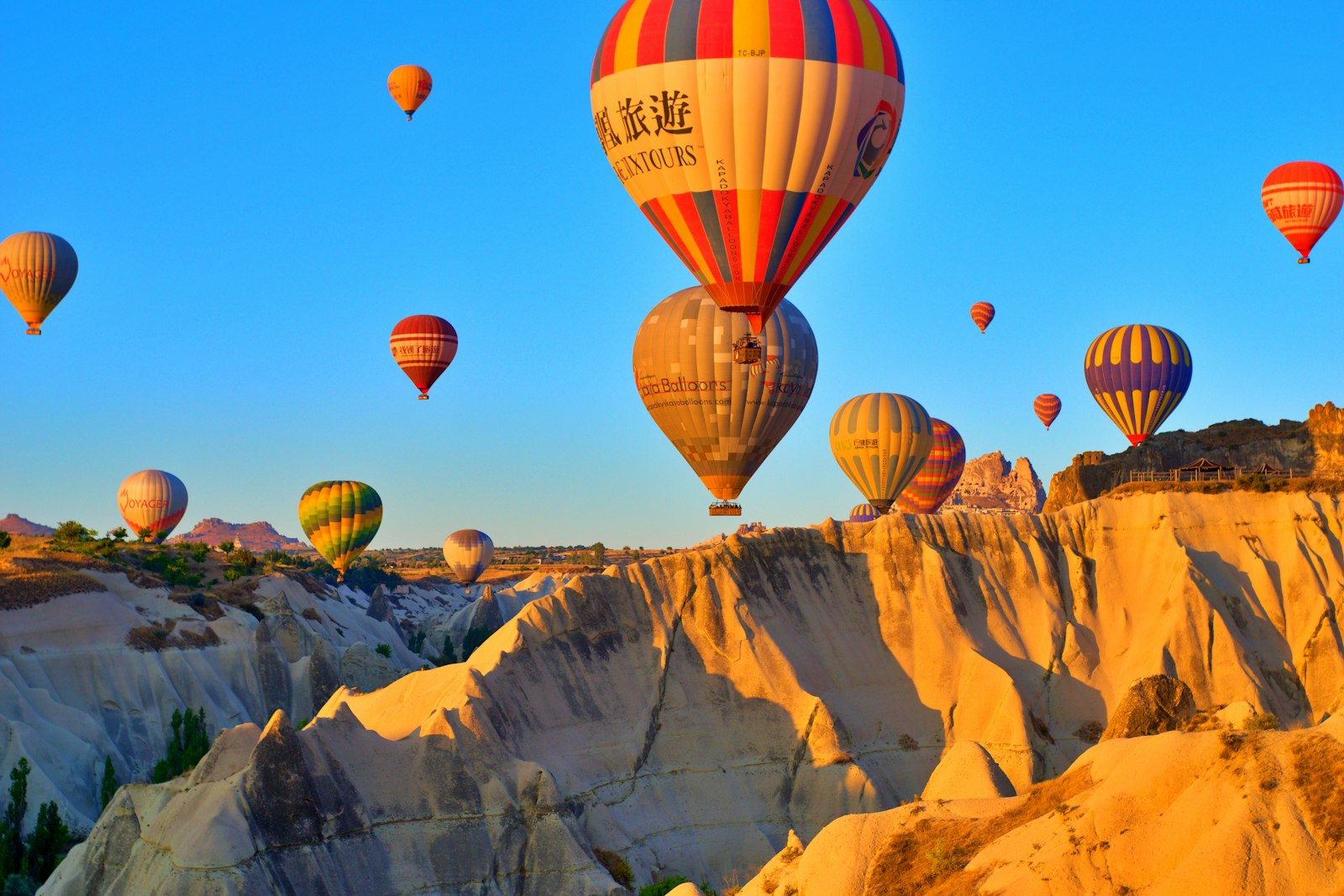
Cappadocia is probably the most photogenic place on Earth. A lunar landscape carved by millions of years of erosion, where people live in caves, fly balloons at sunrise and discover Byzantine churches hidden under rock. 🎈 Here's how we spent 6 days in this Turkish wonder.
Sunrise among hot air balloons
If there's one image that defines Cappadocia, it's hundreds of hot air balloons floating at dawn over the fairy chimneys. It is, without exaggeration, one of the most impressive spectacles we've ever witnessed.
Flights take off before dawn, around 5:30 AM in summer. The feeling of floating in silence over the valleys while the sun paints the rocks orange and pink is indescribable. The flight lasts approximately one hour and covers Göreme, Love Valley and Pigeon Valley.
We booked with Butterfly Balloons, one of the most reputable companies. The price is around €200-250 per person, but worth every cent. Tip: book at least 2 weeks in advance during peak season (April-June and September-November).
If you don't fly, the terraces of Göreme's cave hotels offer incredible views of the spectacle. Having breakfast while watching 150 colorful balloons float by is an experience in itself.
Cave hotels: Sleeping in history
Cappadocia's cave hotels are the ultimate expression of experiential travel. Rooms carved directly into volcanic rock (tufa), with vaulted ceilings, stone walls and a perfect blend of history and contemporary luxury.
We stayed at a boutique cave hotel in Uçhisar with views of the castle-rock. The suite had a private jacuzzi, valley-view terrace and fireplace. Sleeping in a 1,000-year-old cave with air conditioning and Wi-Fi is the definition of contrast.
Göreme is the most popular base, but Uçhisar offers more tranquility and the best panoramic views. Ortahisar is another less touristy alternative with more reasonable prices.
Turkish breakfast is an experience: olives, local cheeses, honey with tahini, tomato, cucumber, scrambled eggs with sucuk (spiced sausage), homemade jams and unlimited çay (tea). All served on the terrace with balloon views.
Valleys and fairy chimneys
Cappadocia's rock formations are the result of volcanic eruptions millions of years ago. The ash solidified into soft tufa that erosion sculpted into impossible shapes: the famous "fairy chimneys."
Monks Valley (Pasabag) has the most iconic chimneys: rock pillars crowned by hats of harder basalt. Some were inhabited by hermit monks who carved cells inside them.
Love Valley is another must-see: natural phallic formations creating a surreal landscape, especially at sunset. Red Valley and Rose Valley offer the best treks: paths between red and pink formations with hidden rock-cut churches.
Imagination Valley (Devrent) looks like another planet. The formations resemble animals, figures and abstract sculptures. A 3-meter rock camel is the star of the valley.
Underground churches and cities beneath the earth
The Göreme Open Air Museum is a UNESCO World Heritage site: a complex of 10th-13th century Byzantine churches carved into rock with original frescoes that maintain vibrant colors after 1,000 years.
The Dark Church (Karanlik Kilise) has the best-preserved frescoes thanks to the absence of natural light. The extra 10 Turkish Lira entrance fee is absolutely worth it.
The underground cities are even more impressive. Derinkuyu, the deepest, has 8 levels underground and could house 20,000 people. It was built as a refuge against invaders: it has stables, cellars, kitchens, churches and an ingenious ventilation system.
Kaymakli is smaller but less claustrophobic and better lit. Both are connected by a 9 km tunnel (closed to the public). Imagine entire civilizations living underground for months.
Cappadocian cuisine and budget
Cappadocian cuisine has its own identity. Testi kebab is the star dish: meat with vegetables cooked for hours in a sealed clay pot that's broken at the table. The ritual of breaking the pot is part of the experience.
Manti (tiny Turkish ravioli with yogurt and tomato sauce) is addictive. Avanos ceramics make perfect souvenirs: the town is famous for its red clay from the Kizilirmak River.
Budget for 6 days (2 people): Boutique cave hotel: €800-1,200 (6 nights). Balloon flight: €400-500 (2 people). Meals: €200-300. Tours and entrances: €150-200. Domestic flights Istanbul-Kayseri: €100-150 round trip. Total: €1,650-2,350 for two people.
Best time: April-June and September-November. Balloon flights get cancelled in wind, so stay at least 3 nights for more chances.
Plan this trip
Itineraries, budgets and real traveler routes for this destination.
More stories from Turkey
Ready to live your own adventure? Create your free Odysseus account and plan your next trip.
Create a free account on the web